


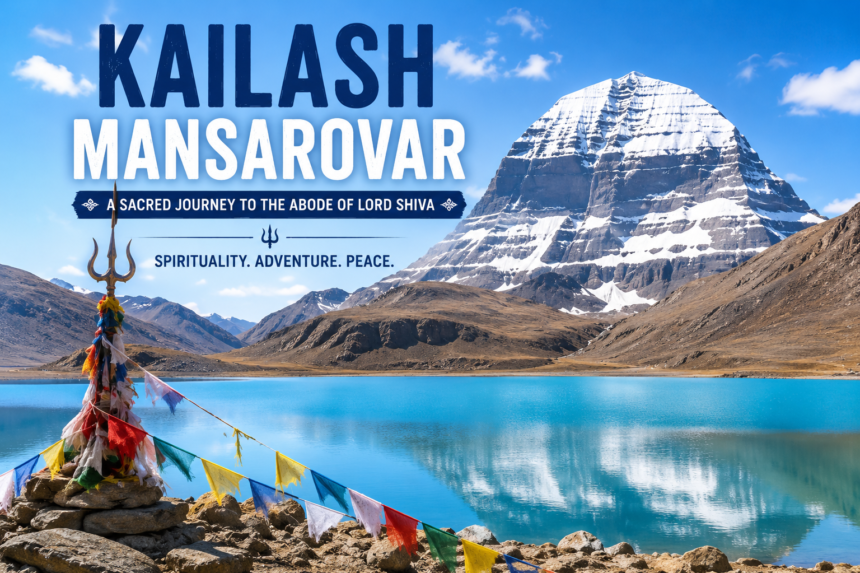
Nestled in the remote reaches of the Tibetan Plateau, Kailash Mansarovar is one of the world’s most revered pilgrimage destinations. Dominated by the majestic Mount Kailash and the crystal-clear Lake Mansarovar, this sacred region holds profound spiritual significance for Hindus, Buddhists, Jains, and followers of the Bon religion.
For millions of devotees, the Kailash Mansarovar Yatra is more than just a journey—it’s a life-changing spiritual experience. Surrounded by snow-clad peaks, pristine lakes, and breathtaking Himalayan landscapes, the pilgrimage combines devotion, adventure, and inner peace.
Whether you seek spiritual fulfillment, natural beauty, or a once-in-a-lifetime adventure, Kailash Mansarovar promises an unforgettable experience.
Why Visit Kailash Mansarovar?
Kailash Mansarovar is considered one of the holiest places on Earth and attracts pilgrims and trekkers from across the globe.
Highlights
- Sacred Mount Kailash
- Holy Lake Mansarovar
- Spiritual pilgrimage
- Spectacular Himalayan scenery
- Ancient monasteries
- Challenging high-altitude trek
- Rich Tibetan culture
- Meditation and self-discovery
Spiritual Significance
Mount Kailash
Standing at an elevation of 6,638 meters (21,778 feet), Mount Kailash is believed to be the eternal abode of Lord Shiva and Goddess Parvati in Hinduism.
Unlike other Himalayan peaks, Mount Kailash has never been climbed, as it is regarded as a sacred mountain that deserves reverence rather than conquest.
Importance in Different Religions
Hinduism
- Home of Lord Shiva.
- Completing the Kailash Parikrama is believed to cleanse one’s sins and lead to spiritual liberation.
Buddhism
- Revered as the abode of Demchok (Chakrasamvara), representing supreme bliss.
Jainism
- Believed to be the place where the first Tirthankara, Rishabhadeva, attained liberation.
Bon Religion
- Considered the spiritual center of the universe and a sacred site of worship.
Lake Mansarovar
Located at an altitude of approximately 4,590 meters, Lake Mansarovar is one of the world’s highest freshwater lakes.
Pilgrims believe that taking a holy dip in its pristine waters washes away sins and brings spiritual purification. The serene lake, reflecting the snow-covered peaks of Mount Kailash, offers an atmosphere of unmatched tranquility.
The Kailash Mansarovar Yatra
The pilgrimage is physically demanding but deeply rewarding. The journey involves high-altitude travel, long drives, and trekking through rugged Himalayan terrain.
Main Highlights
- Darshan (view) of Mount Kailash
- Holy bath at Lake Mansarovar
- Kailash Parikrama (circumambulation)
- Tibetan monasteries
- High mountain passes
- Scenic Himalayan landscapes
Kailash Parikrama
The Kailash Parikrama is a sacred trek of approximately 52 kilometers, usually completed over three days.
Popular Stops
Day 1
- Darchen to Dirapuk
Day 2
- Dolma La Pass
- Gauri Kund
- Zuthulpuk
Day 3
- Return to Darchen
The trek reaches Dolma La Pass, situated at about 5,630 meters, making it one of the highest points of the pilgrimage.
Best Time to Visit
The pilgrimage season generally runs from May to September, when weather conditions are comparatively favorable.
Ideal Months
- May
- June
- July
- August
- September
Travel outside this period is generally not recommended due to heavy snowfall and extreme weather conditions.
Major Attractions
Mount Kailash
The sacred mountain remains the centerpiece of the pilgrimage and is admired for its striking pyramid-like shape.
Lake Mansarovar
Pilgrims meditate, perform prayers, and take ritual baths along its peaceful shores.
Rakshastal Lake
Located near Lake Mansarovar, this striking saltwater lake contrasts sharply with the freshwater Mansarovar and holds significance in Hindu mythology.
Gauri Kund
Situated below Dolma La Pass, Gauri Kund is believed to be associated with Goddess Parvati and is considered a sacred site.
Tibetan Monasteries
Several ancient monasteries along the route offer insight into Tibetan Buddhist traditions and architecture.
Wildlife and Natural Beauty
Despite its harsh climate, the region supports unique Himalayan wildlife.
You may encounter:
- Tibetan antelope
- Himalayan blue sheep
- Wild yaks
- Tibetan foxes
- Black-necked cranes
- Golden eagles
The stark beauty of the Tibetan Plateau, framed by snow-capped mountains and clear blue skies, creates an unforgettable landscape.
Physical Preparation
Due to the high altitude and demanding terrain, preparing your body is essential.
Recommended Preparation
- Regular walking or hiking
- Cardiovascular exercises
- Strength training
- Breathing exercises
- Medical fitness check-up
- Acclimatization before the trek
Good physical fitness significantly improves your experience.
Essential Packing List
Carry:
- Warm layered clothing
- Waterproof jacket
- Thermal wear
- Comfortable trekking shoes
- Gloves and woollen cap
- Sunglasses
- Sunscreen
- Personal medications
- Reusable water bottle
- Walking stick
- Power bank
- Passport and travel documents
Packing light while carrying essential gear is recommended.
Accommodation
Accommodation during the Yatra generally includes:
- Guesthouses
- Pilgrim lodges
- Basic hotels
- Tent camps (in some areas)
Facilities are simple, reflecting the remote nature of the journey.
Travel Tips
- Consult your doctor before planning the trip.
- Stay hydrated throughout the journey.
- Walk slowly to reduce the effects of high altitude.
- Avoid alcohol and smoking.
- Respect local customs and religious traditions.
- Follow the instructions of your tour operator and guides.
- Carry adequate travel insurance that covers high-altitude travel.
Responsible Pilgrimage
Help preserve the sanctity of Kailash Mansarovar by:
- Avoiding littering.
- Carrying reusable bottles and bags.
- Respecting religious practices.
- Staying on designated trails.
- Avoiding disturbance to wildlife.
- Supporting local communities responsibly.
Every pilgrim has a role in protecting this sacred landscape.
Why Kailash Mansarovar Is a Once-in-a-Lifetime Journey
Very few places in the world inspire such deep spiritual reverence while offering such dramatic natural beauty. The sight of Mount Kailash rising above the Tibetan Plateau, the calm waters of Lake Mansarovar, and the challenging Parikrama together create an experience that touches both the body and the soul.
Whether you undertake the pilgrimage for religious devotion, personal reflection, or the thrill of exploring one of the world’s most remote regions, the memories of Kailash Mansarovar stay with you forever.
Final Thoughts
The Kailash Mansarovar Yatra is far more than a pilgrimage—it’s a transformative journey through some of the most awe-inspiring landscapes on Earth. Every step of the trek, every prayer beside Lake Mansarovar, and every glimpse of the sacred Mount Kailash offers a profound sense of peace and purpose.
If you’re seeking a destination that combines spirituality, adventure, and the majestic beauty of the Himalayas, Kailash Mansarovar stands as one of the world’s most extraordinary experiences. Prepare well, travel responsibly, and embrace this sacred journey with respect and devotion.