

Nestled in the foothills of the Himalayas in Uttarakhand, Corbett National Park is one of India’s most celebrated wildlife destinations. Famous for its Bengal tigers, lush forests, winding rivers and spectacular landscapes, the park attracts wildlife enthusiasts, photographers and adventure seekers from across India and around the world.
- A Historic National Park
- The Bengal Tiger: Corbett’s Biggest Attraction
- Wildlife at Corbett National Park
- A Paradise for Birdwatchers
- Jeep Safari: The Best Way to Explore
- Canter Safari
- Dhikala: A Famous Wildlife Destination
- The Ramganga River
- Best Time to Visit Corbett National Park
- How to Reach Corbett National Park
- Where to Stay
- Essential Travel Tips
- Why Visit Corbett National Park?
- Conclusion
Established in 1936 as Hailey National Park, it was later renamed in honour of legendary hunter-turned-conservationist Jim Corbett. Today, it forms an important part of the larger Corbett Tiger Reserve and remains one of the country’s premier destinations for experiencing wildlife in its natural habitat.
A Historic National Park
Corbett holds a special place in India’s conservation history. It was the first national park established in the country and became one of the initial reserves under Project Tiger, launched in 1973 to protect India’s declining tiger population.
The park’s diverse terrain includes dense sal forests, grasslands, riverbeds, hills and wetlands. This variety of habitats supports a remarkable range of mammals, birds and reptiles.
The Bengal Tiger: Corbett’s Biggest Attraction
The Bengal tiger is undoubtedly the star of Corbett National Park. The park’s forests provide an important habitat for these magnificent predators.
Seeing a tiger in the wild is never guaranteed, but the possibility of encountering one is a major reason visitors embark on safaris. Early mornings and late afternoons are particularly exciting, as visitors explore forest tracks in search of signs of wildlife.
A tiger sighting can be brief—a glimpse through the trees, a movement in tall grass or an animal crossing the road—but even a few seconds can become the highlight of a Corbett trip.
Wildlife at Corbett National Park
Although tigers receive much of the attention, Corbett is home to an impressive variety of wildlife.
Visitors may encounter:
- Bengal tiger
- Leopard
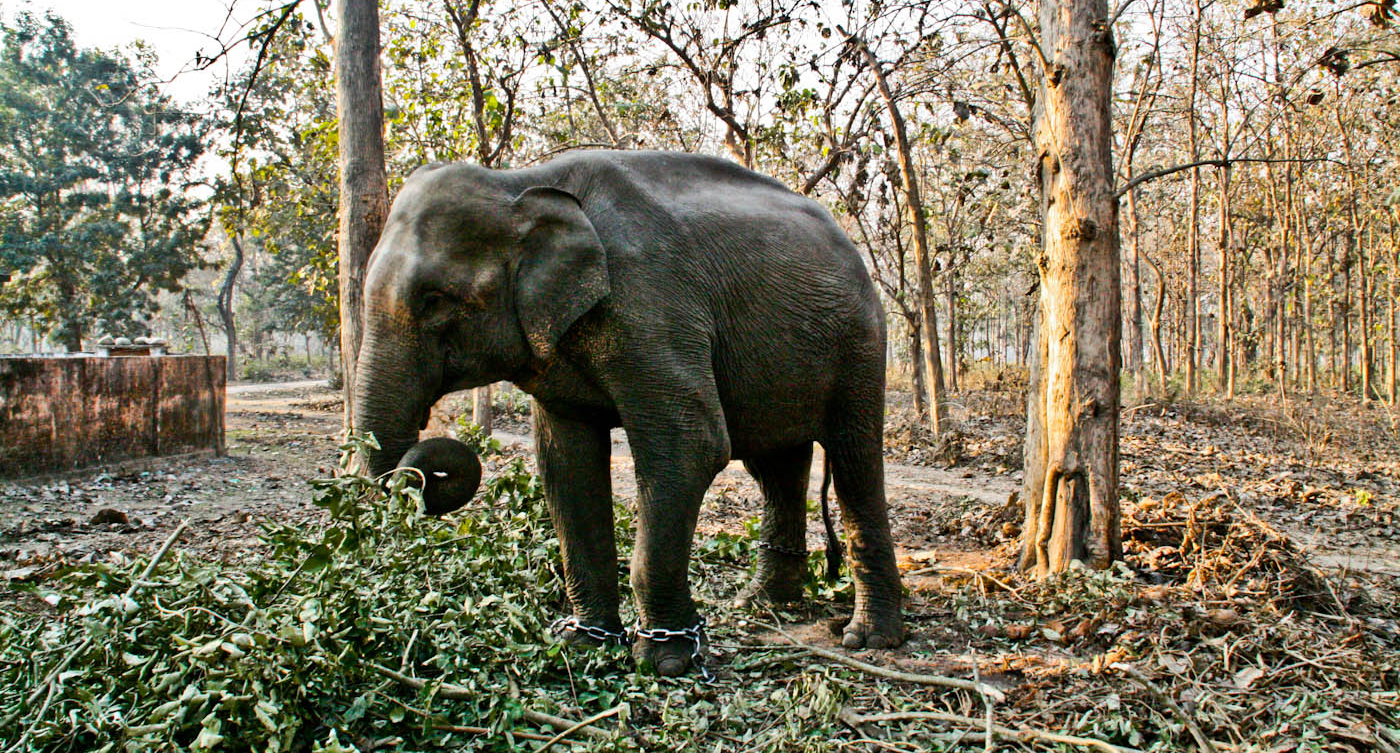
- Asian elephant
- Spotted deer
- Sambar deer
- Barking deer
- Wild boar
- Sloth bear
- Golden jackal
- Indian grey mongoose
- Langur
- Rhesus macaque
- Gharial
- Mugger crocodile
The park’s rivers and wetlands are particularly important habitats for aquatic wildlife, while its forests provide shelter and food for numerous mammals.
A Paradise for Birdwatchers
Corbett is also one of India’s excellent birdwatching destinations. The park and surrounding reserve support a remarkable variety of resident and migratory birds.
Bird lovers may spot:
- Great hornbill
- Crested serpent eagle
- Changeable hawk-eagle
- Kingfishers
- Woodpeckers
- Parakeets
- Drongos
- Flycatchers
- Pheasants
- Various species of owls
The combination of forests, grasslands and rivers creates excellent conditions for birdlife.
Jeep Safari: The Best Way to Explore
A jeep safari is one of the most popular ways to explore Corbett National Park. Open-top safari vehicles take visitors along designated forest routes, offering opportunities to observe wildlife and experience the landscape.
Each safari can be different. One journey might produce sightings of elephants and deer, while another could bring visitors face-to-face with a tiger or leopard.
Experienced guides and drivers play an important role in identifying animal tracks, calls and other signs of wildlife.
Canter Safari
Canter safaris are another option for visitors, particularly in areas where they are permitted. These larger open vehicles can accommodate more passengers and offer a shared wildlife experience.
Availability and safari zones depend on current forest department regulations and seasonal conditions.
Dhikala: A Famous Wildlife Destination
Dhikala is one of the best-known areas associated with Corbett Tiger Reserve. Located near the Ramganga River, it offers spectacular views of grasslands, forests and distant Himalayan foothills.
The landscape around Dhikala is especially famous for wildlife sightings and is a favourite among photographers and serious wildlife enthusiasts.
Accommodation availability and access rules can vary, so visitors should make arrangements well in advance.
The Ramganga River
The Ramganga River is an important part of Corbett’s ecosystem. It provides water for wildlife and supports a rich variety of aquatic and bird species.
The river also adds to the scenic beauty of the park, particularly during sunrise and sunset.
Watching elephants near the water or spotting birds along the riverbanks can be one of the most peaceful experiences during a Corbett visit.
Best Time to Visit Corbett National Park
Corbett can be visited during different seasons, but the experience changes throughout the year.
November to February
Winter brings pleasant daytime temperatures and cooler mornings. The forest looks beautiful, and birdwatching can be particularly rewarding.
March to June
This is generally an excellent period for wildlife sightings, especially as temperatures rise and animals become more dependent on water sources.
Summer can be hot, but early-morning safaris can provide exciting encounters.
July to October
The monsoon brings heavy rainfall to the region. Some areas and safari zones may be closed or have restricted access during this period. Visitors should check the latest official regulations before planning a trip.
How to Reach Corbett National Park
By Air
The nearest airport commonly used by visitors is Pantnagar Airport. Delhi also provides a convenient option for travellers arriving by air, followed by a road journey to Corbett.
By Train
Ramnagar Railway Station is the nearest major railhead and has connections with several cities.
By Road
Corbett is accessible by road from Delhi, Nainital, Haldwani and other cities in northern India. Travelling by road is a popular option for families and groups.
Where to Stay
The Corbett region offers a wide range of accommodation, from forest rest houses and resorts to hotels and homestays.
Staying near the reserve allows visitors to reach safari gates conveniently and enjoy the peaceful atmosphere of the surrounding forest region.
For the best experience, travellers should choose accommodation based on the safari zone they plan to visit.
Essential Travel Tips
- Book safaris well in advance, particularly during peak seasons.
- Carry binoculars and a camera with a suitable zoom lens.
- Wear comfortable, neutral-coloured clothing.
- Follow your guide’s instructions at all times.
- Never attempt to approach or feed wildlife.
- Maintain silence during safari drives.
- Do not litter inside or around the reserve.
- Avoid using flash photography near animals.
- Carry sun protection and sufficient drinking water.
- Check current safari timings, zone restrictions and entry regulations before travelling.
Why Visit Corbett National Park?
Corbett offers much more than the chance to see a tiger. It is an opportunity to experience one of India’s most important wildlife landscapes.
From the call of a distant bird and the sight of elephants crossing a forest trail to the excitement of fresh tiger pugmarks, every safari brings an element of surprise.
The park is particularly appealing to:
- Wildlife enthusiasts
- Tiger lovers
- Nature photographers
- Birdwatchers
- Families
- Adventure travellers
- Couples seeking a unique getaway
- First-time safari visitors
Conclusion
Corbett National Park is a spectacular destination where wildlife, forests, rivers and Himalayan landscapes come together. Its historic importance in India’s conservation story and its incredible biodiversity make it one of the country’s must-visit wildlife destinations.
A journey through Corbett is not simply a sightseeing trip. It is an opportunity to enter the world of wild animals, observe nature on its own terms and experience the thrill of India’s tiger country.
For anyone dreaming of a memorable wildlife adventure, Corbett National Park deserves a place at the top of the Indian travel list.