


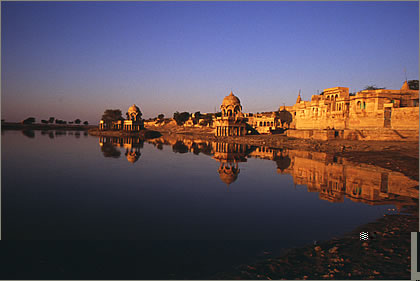
In the heart of Rajasthan’s Thar Desert, Jaisalmer is famous not only for its magnificent Golden Fort but also for its extraordinary collection of historic havelis. Carved from warm golden-yellow sandstone, these grand merchant mansions showcase the exceptional craftsmanship, wealth and architectural imagination of Jaisalmer’s past.
With their intricately carved facades, ornate balconies, delicate windows and beautifully decorated interiors, the Jaisalmer Havelis are among the finest examples of traditional architecture in Rajasthan.
The Golden Architecture of Jaisalmer
Jaisalmer’s havelis were largely built by wealthy merchants during the 18th and 19th centuries, when the city prospered as an important trading center along historic routes connecting India with Central Asia and other regions.
Local sandstone became the defining material of the city. Its golden color changes throughout the day, appearing bright yellow under the morning sun and taking on a rich golden-orange glow around sunset.
This distinctive architecture is one reason Jaisalmer earned its famous nickname, the “Golden City.”
Patwon Ki Haveli
Patwon Ki Haveli is one of Jaisalmer’s most impressive architectural attractions.
It is actually a cluster of five interconnected havelis, commissioned by the wealthy Patwa family. The complex features elaborate balconies, carved pillars, ornamental windows and detailed sandstone work.
The intricate designs demonstrate the extraordinary skill of the craftsmen who worked on these buildings.
Visitors can explore sections of the complex and discover rooms, galleries and architectural details that provide insights into the lifestyle of wealthy merchant families.
Nathmal Ki Haveli
Another architectural masterpiece is Nathmal Ki Haveli, located in the heart of Jaisalmer.
The haveli is famous for its intricate carvings and distinctive design. Its construction is traditionally associated with two artisan brothers, whose work resulted in remarkably detailed decoration across the building.
The facade features carved flowers, animals, balconies and geometric patterns, showcasing the artistic richness of Rajasthan’s sandstone architecture.
Salim Singh Ki Haveli
Salim Singh Ki Haveli is easily recognized by its distinctive upper structure and ornate balconies.
Built in the early 19th century, the haveli features elaborate architectural details and a distinctive projecting upper floor. Its unusual design sets it apart from many other historic buildings in Jaisalmer.
The building reflects the ambition and creativity of the wealthy families who played an important role in the city’s history.
Architecture Designed for the Desert
Jaisalmer’s havelis are not merely beautiful—they were also designed to suit the region’s harsh desert climate.
Thick sandstone walls helped moderate indoor temperatures, while carefully designed windows and openings allowed ventilation without excessive exposure to the intense desert heat.
The jharokhas, or projecting enclosed balconies, provided shade and airflow while also serving as decorative architectural features.
This combination of beauty and practical design is one of the most fascinating aspects of Jaisalmer’s traditional architecture.
Intricate Stone Carvings
One of the defining features of the havelis is their extraordinary stone craftsmanship.
Local artisans carved sandstone into delicate patterns representing:
- Flowers and plants
- Geometric designs
- Birds and animals
- Human figures
- Traditional motifs
- Decorative arches
- Jharokhas and balconies
Some carvings are so delicate that the sandstone appears almost lace-like.
The Merchant Legacy
The havelis also tell the story of Jaisalmer’s prosperous merchant communities.
For centuries, traders benefited from Jaisalmer’s position along important desert trade routes. Their wealth was reflected in the elaborate homes they constructed.
These mansions were more than residences. They served as symbols of social status, commercial success and artistic patronage.
Exploring the Streets of Jaisalmer
One of the best ways to appreciate Jaisalmer’s architecture is to walk through the narrow streets of the old city.
The golden facades appear at almost every turn, with ornate doorways, balconies and carved windows creating an open-air architectural gallery.
Morning and late afternoon are particularly beautiful times to explore because the changing sunlight enhances the natural color of the sandstone.
Best Time to Visit
The ideal period to explore Jaisalmer’s havelis is generally October to March, when the desert climate is comparatively pleasant.
Winter mornings and evenings can be cold, so visitors should carry warm clothing. Summers can be extremely hot, making long walking tours uncomfortable during the middle of the day.
How to Reach Jaisalmer
Jaisalmer is connected by rail, road and air.
The city’s railway station has connections to major destinations in Rajasthan and other parts of India. Jaisalmer Airport provides seasonal and scheduled connectivity depending on the time of year.
Many travelers combine a visit to the havelis with the Jaisalmer Fort, Gadisar Lake, Kuldhara and Sam Sand Dunes.
Why Jaisalmer Havelis Are Worth Visiting
The havelis of Jaisalmer are a remarkable combination of art, architecture, history and desert culture.
Every carved balcony, stone window and decorative facade tells a story about the merchants, craftsmen and communities who helped shape the Golden City.
For travelers interested in history and architecture, exploring these magnificent mansions offers a deeper understanding of Jaisalmer beyond its famous fort and desert landscapes.
Jaisalmer’s havelis are more than beautiful sandstone buildings—they are enduring monuments to the craftsmanship, imagination and prosperity of Rajasthan’s desert heritage.