


Great Himalayan National Park (GHNP), Himachal Pradesh: Tucked deep within the western Himalayas, the Great Himalayan National Park is one of India’s most remarkable protected landscapes. Located in Kullu district of Himachal Pradesh, the park is famous for its pristine forests, alpine meadows, dramatic mountain valleys and extraordinary biodiversity.
- A UNESCO World Heritage Site
- A Haven for Himalayan Wildlife
- The Elusive Snow Leopard
- Trekking in the Great Himalayan National Park
- Explore Tirthan Valley
- Discover Sainj Valley
- Flora of the Great Himalayan National Park
- A Paradise for Birdwatchers
- Experience Traditional Himalayan Villages
- Best Time to Visit
- How to Reach Great Himalayan National Park
- Things to Do
- Responsible Tourism
- Travel Tips
- Why Visit the Great Himalayan National Park?
- Final Thoughts
Designated a UNESCO World Heritage Site in 2014, GHNP is an exceptional destination for trekkers, wildlife enthusiasts, birdwatchers, photographers and travellers seeking a peaceful Himalayan wilderness experience.
A UNESCO World Heritage Site
The Great Himalayan National Park was established in 1984 and covers a vast mountainous landscape ranging from lower valleys to high-altitude alpine regions.
Its outstanding ecological importance comes from the variety of habitats found across different elevations.
The protected area supports ecosystems ranging from temperate forests to alpine meadows and high mountain landscapes.
The Great Himalayan National Park Conservation Area was recognised by UNESCO for its exceptional importance for biodiversity conservation.
A Haven for Himalayan Wildlife
The park provides habitat for numerous species adapted to the challenging Himalayan environment.
Wildlife found in the wider protected landscape includes:
- Himalayan tahr
- Blue sheep
- Himalayan goral
- Serow
- Musk deer
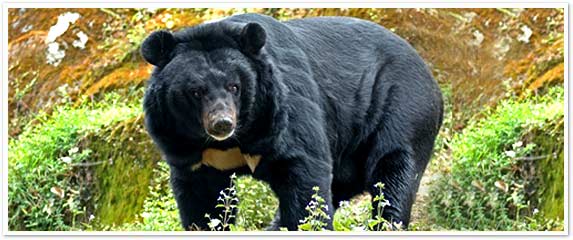
- Himalayan black bear
- Snow leopard
- Leopard
- Several species of pheasants
- Numerous Himalayan birds and butterflies
Many of these animals are elusive, so spotting wildlife requires patience and experienced local guides.
The Elusive Snow Leopard
The snow leopard is one of the most fascinating animals associated with the high Himalayan ecosystem.
These magnificent cats inhabit rugged, high-altitude terrain and are extremely difficult to spot.
Although sightings are rare, the possibility of encountering one of these elusive predators adds to the excitement of exploring the Himalayan wilderness.
Trekking in the Great Himalayan National Park
Unlike many conventional tourist destinations, GHNP is best experienced on foot.
The park contains a network of trekking routes passing through forests, valleys, streams and alpine landscapes.
Popular trekking areas and routes include:
- Tirthan Valley
- Jibhi and Jalori Pass region
- Shilt Hut
- Raktisar
- Sainj Valley
- Gushaini region
Trekking routes vary significantly in difficulty and duration. Some are suitable for shorter nature experiences, while others require several days of preparation and camping.
Explore Tirthan Valley
Tirthan Valley is one of the most popular gateways to the Great Himalayan National Park.
The valley is known for its clear mountain streams, forests, traditional villages and peaceful atmosphere.
Gushaini is an important base for travellers exploring the region and offers accommodation, guides and access to trekking routes.
The Tirthan River also provides opportunities for trout fishing in designated areas, subject to local regulations.
Discover Sainj Valley
Another important gateway to the protected landscape is Sainj Valley.
The valley offers spectacular mountain scenery, forests and traditional Himalayan villages.
Compared with more commercialised Himachal destinations, Sainj retains a quieter and more authentic character.
It is an excellent choice for travellers who want to experience rural Himalayan life alongside nature.
Flora of the Great Himalayan National Park
GHNP contains an extraordinary variety of Himalayan vegetation.
Depending on altitude, visitors may encounter:
- Deodar forests
- Pine
- Fir
- Spruce
- Oak
- Birch
- Rhododendron
- Alpine shrubs
- Himalayan medicinal plants
- High-altitude wildflowers
The vegetation changes dramatically as trekkers climb higher into the mountains.
Spring and summer can bring colourful wildflowers to alpine meadows, creating spectacular scenery.
A Paradise for Birdwatchers
The Great Himalayan National Park is particularly valuable for bird conservation.
Birdwatchers may encounter species such as:
- Western tragopan
- Himalayan monal
- Koklass pheasant
- Cheer pheasant
- Various eagles
- Woodpeckers
- Flycatchers
- Himalayan songbirds
The Western tragopan, a rare and beautiful pheasant, is one of the park’s notable species.
Carrying binoculars can greatly enhance the trekking experience.
Experience Traditional Himalayan Villages
The communities surrounding GHNP have a deep connection with the forests and mountains.
Visitors can explore traditional villages, interact with local residents and experience regional architecture, food and customs.
Community-based tourism initiatives have also helped create opportunities for local residents while encouraging visitors to appreciate the importance of conservation.
Best Time to Visit
The best time to explore the Great Himalayan National Park depends on the trekking route and altitude.
April to June is generally a good period for trekking, with pleasant temperatures and flowering vegetation at many elevations.
September to November is another excellent season, often offering clearer skies and impressive mountain views.
The monsoon months from July to August can bring heavy rain, slippery trails and landslides, so trekking conditions may be difficult.
Winter brings snow to higher elevations and can make many trekking routes inaccessible.
How to Reach Great Himalayan National Park
By Air
The nearest airport with regular commercial connectivity is Bhuntar Airport near Kullu.
From Bhuntar, travellers can continue by road towards the appropriate park gateway.
By Train
The nearest broad-access railway stations are in the lower Himalayan region, with Chandigarh and Kalka often used as gateways for longer road journeys.
By Road
Travellers can reach the region by road from Kullu, Bhuntar, Mandi and other parts of Himachal Pradesh.
The route to destinations such as Gushaini and Sainj passes through beautiful mountain scenery.
Things to Do
A visit to the Great Himalayan National Park can include:
- Trekking through protected forests
- Wildlife watching
- Birdwatching
- Nature photography
- Camping
- Exploring alpine meadows
- Visiting Himalayan villages
- Fishing in permitted areas
- Learning about conservation
- Experiencing local culture and cuisine
Responsible Tourism
GHNP is an ecologically sensitive protected area, so responsible travel is extremely important.
Visitors should:
- Follow forest department regulations.
- Use authorised guides and trekking routes.
- Never disturb wildlife.
- Avoid loud music and unnecessary noise.
- Do not litter.
- Avoid single-use plastics where possible.
- Never remove plants, flowers, rocks or other natural materials.
- Respect local communities.
- Follow camping and waste-disposal guidelines.
The goal should be to leave the mountains exactly as you found them.
Travel Tips
Before travelling to GHNP, it is advisable to:
- Check current park entry rules and permits.
- Hire an experienced local guide for longer treks.
- Carry suitable trekking shoes.
- Pack warm and waterproof clothing.
- Carry sufficient water and essential supplies.
- Prepare for limited mobile connectivity in remote areas.
- Allow extra time for mountain travel.
- Check weather conditions before starting a trek.
Why Visit the Great Himalayan National Park?
The Great Himalayan National Park offers something increasingly rare: an opportunity to experience a relatively untouched Himalayan wilderness.
There are no large urban attractions or crowded entertainment zones. Instead, the rewards come from quiet forests, mountain streams, alpine meadows, wildlife and breathtaking Himalayan scenery.
For travellers who enjoy hiking and nature rather than conventional sightseeing, GHNP can be one of Himachal Pradesh’s most rewarding destinations.
Final Thoughts
The Great Himalayan National Park is a spectacular celebration of Himalayan nature.
Its pristine forests, rare wildlife, colourful birds, alpine landscapes and traditional mountain communities make it a destination unlike the more commercial hill stations of Himachal Pradesh.
Whether you are trekking through the Tirthan Valley, searching the forest canopy for Himalayan birds or simply sitting beside a mountain stream, GHNP offers a chance to reconnect with nature.
Leave the crowds behind, follow the mountain trails and discover the wild beauty of the Great Himalayan National Park.