


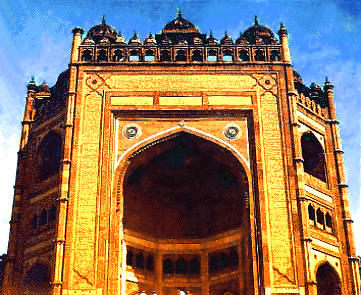
The Buland Darwaza, meaning “Gate of Magnificence,” is one of the most impressive examples of Mughal architecture in India. Located at Fatehpur Sikri in Uttar Pradesh, this monumental gateway was built during the reign of Emperor Akbar and stands as a magnificent symbol of Mughal power, architecture, and artistic achievement.
Rising dramatically above the surrounding landscape, Buland Darwaza is one of the most recognizable landmarks of Fatehpur Sikri.
A Monument Built by Emperor Akbar
Buland Darwaza was constructed in the late 16th century during the reign of Emperor Akbar. It is traditionally associated with Akbar’s victory over Gujarat and was added to the magnificent complex of Fatehpur Sikri.
The gateway provides a grand entrance to the Jama Masjid, one of the important religious buildings within the historic city.
Magnificent Architecture
The gateway is constructed primarily from red sandstone, complemented by decorative elements in lighter-colored stone. Its enormous scale, symmetrical design, high central arch, and carefully crafted ornamentation demonstrate the sophistication of Mughal architecture.
The structure rises prominently above the surrounding buildings and can be approached by a long flight of steps, making its entrance even more dramatic.
Intricate Decorations and Inscriptions
Buland Darwaza is decorated with geometric patterns, floral motifs, carved details, and elegant calligraphy. Persian inscriptions adorn portions of the structure and add to its religious and artistic character.
The combination of monumental scale and intricate decoration reflects the Mughal fascination with architecture as a means of expressing imperial grandeur.
A Symbol of Mughal Grandeur
The gateway was not merely a functional entrance. Its extraordinary height and imposing appearance were intended to create a sense of awe among visitors.
At the same time, its inscriptions and religious associations give the monument a spiritual dimension. The result is a remarkable blend of imperial architecture, Islamic artistic traditions, and local Indian craftsmanship.
Part of Fatehpur Sikri
Buland Darwaza is located within the historic city of Fatehpur Sikri, which was established by Emperor Akbar and served as the Mughal capital for a relatively short period.
The complex contains several remarkable monuments, including Jama Masjid, Panch Mahal, Diwan-i-Khas, Diwan-i-Aam, and the Tomb of Salim Chishti.
Exploring the entire complex provides visitors with a fascinating glimpse into life and architecture during the Mughal period.
UNESCO World Heritage Site
Fatehpur Sikri was designated a UNESCO World Heritage Site in 1986. The site is recognized for its outstanding Mughal architecture and its importance in the history of the Indian subcontinent.
Buland Darwaza remains one of the principal attractions within this extraordinary historic complex.
Best Time to Visit
The ideal time to visit Buland Darwaza and Fatehpur Sikri is generally between October and March, when the weather is more comfortable for walking around the extensive monument complex.
The site can be visited as part of a broader journey through the famous historical attractions of Agra and Uttar Pradesh.
A Monument of Timeless Grandeur
Buland Darwaza stands as a powerful reminder of the architectural ambition of the Mughal era. Its towering proportions, beautiful stonework, intricate inscriptions, and commanding presence make it one of India’s most spectacular historic gateways.
For history enthusiasts, architecture lovers, photographers, and travelers exploring India’s Mughal heritage, Buland Darwaza offers an unforgettable encounter with the grandeur of the past.