
Northern India is a land of magnificent monuments, ancient traditions, colourful markets, and diverse cultures. Its festivals bring together communities through music, dance, religious ceremonies, fairs, food, and spectacular celebrations.
- Diwali: The Festival of Lights
- Holi: The Festival of Colours
- Pushkar Fair, Rajasthan
- Kumbh Mela
- Baisakhi: Harvest and New Year Festival
- Dussehra: Celebrating the Victory of Good Over Evil
- Janmashtami
- Lohri: Punjab’s Winter Festival
- Hemis Festival, Ladakh
- Navratri and Durga Puja
- Best Time to Experience Northern Indian Festivals
- A Celebration of India’s Cultural Diversity
From the colourful streets of Rajasthan and Uttar Pradesh to the valleys of Himachal Pradesh and the spiritual centres of Punjab and Uttarakhand, northern India offers an extraordinary variety of festivals throughout the year.
Diwali: The Festival of Lights
Diwali is one of India’s most widely celebrated festivals and holds special significance across northern India. Homes, temples, streets, and markets are decorated with lamps, candles, and colourful designs.
Families exchange sweets and gifts, perform prayers, and celebrate with relatives and friends. Cities such as Delhi, Jaipur, Varanasi, Amritsar, and Lucknow become particularly vibrant during the festival season.
Holi: The Festival of Colours
Holi is celebrated with extraordinary enthusiasm across northern India. The festival marks the arrival of spring and is famous for colourful powders, music, dancing, sweets, and community celebrations.
Mathura and Vrindavan are particularly famous for their Holi traditions because of their association with Lord Krishna. The celebrations attract visitors from across India and around the world.
Pushkar Fair, Rajasthan
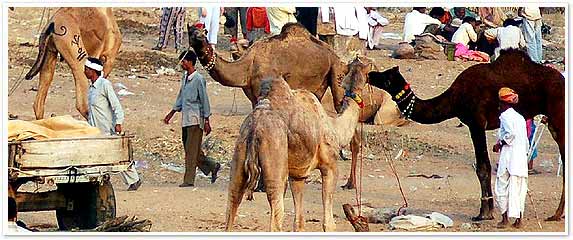
The Pushkar Camel Fair is one of Rajasthan’s most famous cultural events. Held annually in the historic town of Pushkar, the fair combines livestock trading with religious activities, cultural performances, competitions, handicrafts, and traditional celebrations.
The sight of decorated camels, colourful clothing, folk musicians, and the surrounding desert landscape creates a memorable Rajasthan experience.
Kumbh Mela
The Kumbh Mela is one of the world’s largest religious gatherings. It is held at different sacred locations according to a traditional cycle and attracts millions of pilgrims.
The gathering is associated with ritual bathing in sacred rivers, religious discussions, processions, spiritual activities, and the presence of ascetics and religious communities.
Baisakhi: Harvest and New Year Festival
Baisakhi is especially important in Punjab and is celebrated in April. It marks the harvest season and has deep significance in Sikh history.
The festival is celebrated with visits to gurdwaras, prayers, traditional music, dancing, community meals, and lively fairs. Amritsar is an especially important destination for experiencing Baisakhi.
Dussehra: Celebrating the Victory of Good Over Evil
Dussehra is celebrated throughout northern India and symbolizes the victory of good over evil. In many places, large effigies of Ravana and other characters from the Ramayana are burned during public celebrations.
Kullu Dussehra in Himachal Pradesh is particularly distinctive. The festival features processions, religious ceremonies, music, and gatherings of deities from surrounding areas.
Janmashtami
Janmashtami, celebrating the birth of Lord Krishna, is observed with devotion and enthusiasm across northern India.
Mathura and Vrindavan are especially important destinations during the festival. Temples are beautifully decorated, devotional music fills the streets, and special ceremonies are held throughout the night.
Lohri: Punjab’s Winter Festival
Lohri is traditionally celebrated in Punjab and parts of northern India during January. Bonfires, folk songs, dancing, and traditional foods are central to the celebration.
The festival is closely associated with the winter harvest and is a joyful occasion for families and communities.
Hemis Festival, Ladakh
The Hemis Festival is one of Ladakh’s most famous cultural celebrations. Held at Hemis Monastery, the festival features colourful masked dances, traditional music, elaborate costumes, and religious ceremonies.
The spectacular monastery setting and distinctive Buddhist traditions make the festival an unforgettable experience for visitors.
Navratri and Durga Puja
Navratri is celebrated across northern India through prayers, fasting, devotional music, dance, and cultural programmes. In many cities, temporary stages and decorated venues host religious and cultural activities.
During the same broad festive season, Durga Puja is celebrated with particular enthusiasm in several parts of northern and eastern India, bringing communities together around beautifully decorated idols and cultural events.
Best Time to Experience Northern Indian Festivals
Festival dates vary every year because many major festivals follow lunar or traditional calendars. Travellers should check the latest dates before planning their journey.
The period from October to March is particularly attractive for experiencing many major festivals while enjoying relatively pleasant weather across much of northern India.
A Celebration of India’s Cultural Diversity
Festivals in northern India showcase the region’s extraordinary diversity of faith, history, art, music, food, and community traditions.
From the colours of Holi and the lights of Diwali to the spiritual gatherings of Kumbh Mela, the royal traditions of Rajasthan, and the Buddhist celebrations of Ladakh, each festival offers travelers a different window into India’s cultural heritage.
For anyone interested in history, spirituality, photography, food, and local traditions, experiencing a festival in northern India can become one of the most memorable parts of a journey through the country.