
Scattered across the Arabian Sea, the Lakshadweep Islands are among India’s most spectacular tropical destinations. With turquoise lagoons, white-sand beaches, coral reefs, swaying coconut palms, and a peaceful island atmosphere, Lakshadweep offers an extraordinary escape for travellers seeking pristine beaches and marine adventures.
- Why Visit Lakshadweep?
- Agatti Island – Gateway to Lakshadweep
- Bangaram Island – A Secluded Tropical Escape
- Kadmat Island – Perfect for Water Sports
- Kavaratti – The Capital of Lakshadweep
- Kalpeni Island – Lagoons and Coral Landscapes
- Minicoy Island – A Distinctive Cultural Experience
- Snorkelling in Lakshadweep
- Scuba Diving
- Glass-Bottom Boat Rides
- Kayaking and Lagoon Adventures
- Lakshadweep’s Marine Life
- Beaches and Sunsets
- Local Food in Lakshadweep
- Best Time to Visit Lakshadweep
- How to Reach Lakshadweep
- Entry Permits for Lakshadweep
- Suggested 5-Day Lakshadweep Itinerary
- Day 1 – Arrival at Agatti
- Day 2 – Snorkelling and Lagoon
- Day 3 – Island Experience
- Day 4 – Diving and Relaxation
- Day 5 – Departure
- Travel Tips for Lakshadweep
- Responsible Beach Tourism
- Final Thoughts
India’s smallest Union Territory by area, Lakshadweep is made up of coral islands and atolls located off the southwestern coast of India. Its relatively remote location has helped preserve a slower, quieter island experience compared with many of the country’s more commercialised beach destinations.
For travellers who dream of clear blue waters, coral reefs, water sports, and secluded beaches, Lakshadweep is an exceptional destination.
Why Visit Lakshadweep?
Lakshadweep is famous for its spectacular marine environment and tropical scenery.
The islands offer:
- White-sand beaches
- Crystal-clear lagoons
- Coral reefs
- Snorkelling
- Scuba diving
- Kayaking
- Glass-bottom boat rides
- Fishing
- Island walks
- Spectacular sunsets
- Peaceful tropical landscapes
The islands are particularly attractive to honeymooners, couples, photographers, diving enthusiasts, and travellers looking for an offbeat beach holiday.
Agatti Island – Gateway to Lakshadweep
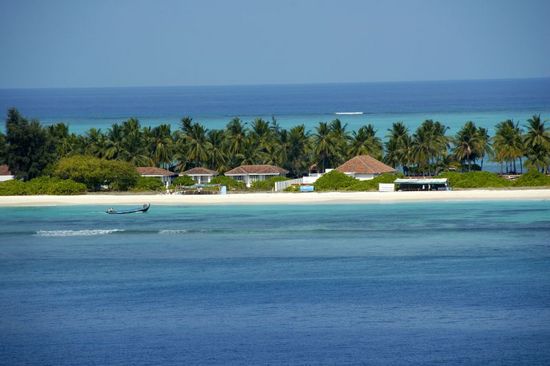
Agatti Island is one of the most popular destinations in Lakshadweep and is known for its stunning lagoon and beautiful beaches.
The island is surrounded by coral reefs and shallow turquoise waters, creating ideal conditions for swimming, snorkelling, and other water-based activities when sea conditions are suitable.
Agatti is also notable for its airport, making it an important entry point for travellers visiting Lakshadweep.
The sight of the island’s narrow strip of land surrounded by vivid blue water is one of the defining images of Lakshadweep.
Bangaram Island – A Secluded Tropical Escape
Bangaram Island is known for its peaceful atmosphere, pristine beaches, and beautiful lagoon.
The island offers the kind of tropical scenery many travellers associate with a classic island getaway: soft sand, coconut palms, clear water, and spectacular sunsets.
Bangaram is particularly appealing to couples and travellers seeking relaxation away from crowded tourist centres.
Kadmat Island – Perfect for Water Sports
Kadmat Island is a popular destination for travellers interested in water sports and marine activities.
Its extensive lagoon and coral reef environment make it suitable for activities such as:
- Snorkelling
- Scuba diving
- Kayaking
- Sailing
- Glass-bottom boat rides
The underwater environment around Kadmat can be particularly rewarding for travellers interested in marine life and coral ecosystems.
Kavaratti – The Capital of Lakshadweep
Kavaratti is the capital of Lakshadweep and one of its most developed islands.
The island combines beautiful beaches and lagoons with local culture and everyday island life.
Visitors can explore the coastline, enjoy water activities, and learn more about the traditions of the island communities.
The Ujra Mosque is one of Kavaratti’s notable landmarks and reflects the island’s Islamic architectural heritage.
Kalpeni Island – Lagoons and Coral Landscapes
Kalpeni Island is surrounded by beautiful lagoons and coral formations.
The island is a good choice for travellers who want to enjoy a combination of beach relaxation and water-based activities.
Its shallow lagoon waters create beautiful shades of blue and green, especially under bright tropical sunlight.
Minicoy Island – A Distinctive Cultural Experience
Located at the southern end of the Lakshadweep archipelago, Minicoy Island has a distinctive cultural identity.
The island is known for its traditional dance, music, boat-building traditions, colourful houses, and unique local culture.
The historic Minicoy Lighthouse is another important landmark.
For travellers interested in experiencing more than just beaches, Minicoy offers an opportunity to discover the cultural diversity of Lakshadweep.
Snorkelling in Lakshadweep
Snorkelling is one of the easiest ways to experience Lakshadweep’s underwater world.
The clear lagoon waters allow visitors to observe coral formations and colourful reef fish.
Beginners should choose supervised activities with authorised operators and use appropriate safety equipment.
Travellers should never touch or stand on coral reefs, as coral ecosystems are extremely fragile.
Scuba Diving
Lakshadweep is one of India’s notable scuba-diving destinations.
The surrounding coral reefs provide opportunities to see:
- Reef fish
- Coral formations
- Sea turtles
- Rays
- Other marine organisms
Diving should always be conducted through authorised and professionally operated centres.
Beginners can consider introductory dives with qualified instructors, while certified divers may have access to more advanced sites depending on local regulations and conditions.
Glass-Bottom Boat Rides
If you want to see Lakshadweep’s underwater world without diving, a glass-bottom boat ride can be a good alternative.
The transparent sections of the boat allow passengers to observe coral reefs and marine life beneath the surface.
This is particularly suitable for families and travellers who prefer a relaxed experience.
Kayaking and Lagoon Adventures
The calm waters of some Lakshadweep lagoons can be suitable for kayaking and canoeing when weather conditions are favourable.
Paddling through turquoise water surrounded by coral islands and coconut palms offers a peaceful way to experience the tropical landscape.
Always follow local operator instructions and avoid entering the water during unsafe conditions.
Lakshadweep’s Marine Life
The waters around Lakshadweep support diverse marine ecosystems.
Depending on location and season, visitors may encounter:
- Sea turtles
- Reef fish
- Rays
- Dolphins
- Colourful corals
- Reef organisms
The coral reefs are among the islands’ most valuable natural resources.
Protecting them is essential for maintaining Lakshadweep’s marine environment and tourism economy.
Beaches and Sunsets
The beaches of Lakshadweep are among the main reasons travellers visit.
Unlike heavily developed mainland beaches, many island beaches retain a peaceful atmosphere.
Sunrise and sunset are particularly beautiful, with the changing light reflecting across the lagoon waters.
Early morning is an excellent time for photography and quiet beach walks.
Local Food in Lakshadweep
Lakshadweep’s cuisine reflects its island environment and strong coastal traditions.
Visitors can enjoy:
- Fresh seafood
- Tuna preparations
- Coconut-based curries
- Rice dishes
- Local breads
- Fish fry
- Tropical fruits
- Traditional Maldivian-influenced dishes
Food options vary from island to island and according to accommodation facilities.
Travellers should also be aware that local customs and regulations can affect the availability of certain foods and beverages.
Best Time to Visit Lakshadweep
October to May
This is generally the most popular period for visiting Lakshadweep.
The weather is more suitable for island travel and water activities.
November to March
The cooler months are particularly comfortable for beach holidays, sightseeing, and marine activities.
April to May
Temperatures become warmer, but the sea can remain suitable for many activities depending on local conditions.
June to September
The southwest monsoon can bring rough seas, heavy rain, and travel disruptions.
Many tourist services and island connections may operate differently during the monsoon season, so travellers should check current schedules before planning a trip.
How to Reach Lakshadweep
By Air
Agatti Airport is the main airport serving tourist travel to Lakshadweep.
Flights connect Agatti with mainland India, with schedules varying by season.
By Ship
Passenger ships connect Lakshadweep with mainland ports such as Kochi.
Ship journeys take considerably longer than flights but can provide a different way to experience the Arabian Sea.
Travellers should check current schedules and availability before booking.
Entry Permits for Lakshadweep
Lakshadweep has specific entry requirements, and travellers need the appropriate entry permit before visiting.
Tourist travel is also subject to island-specific rules and accommodation arrangements.
Because requirements and procedures can change, visitors should confirm the latest rules through the official Lakshadweep administration or authorised tourism channels before travelling.
Suggested 5-Day Lakshadweep Itinerary
Day 1 – Arrival at Agatti
Arrive at Agatti and settle into your accommodation.
Spend the afternoon relaxing on the beach and enjoy the sunset.
Day 2 – Snorkelling and Lagoon
Take part in a guided snorkelling or glass-bottom boat excursion.
Spend the evening enjoying the beach.
Day 3 – Island Experience
Depending on the approved itinerary, travel to another island such as Bangaram, Kadmat, or Kavaratti.
Explore the local coastline and enjoy water activities.
Day 4 – Diving and Relaxation
Try scuba diving if conditions and your experience level permit.
Spend the rest of the day relaxing by the lagoon.
Day 5 – Departure
Enjoy a final morning walk along the beach before travelling back to the mainland.
Travel Tips for Lakshadweep
- Obtain the required entry permit before travelling.
- Book accommodation and transfers in advance.
- Check flight and ship schedules carefully.
- Carry sunscreen, sunglasses, and a hat.
- Keep essential medicines with you.
- Carry lightweight, comfortable clothing.
- Use reef-safe practices while swimming and snorkelling.
- Never touch or stand on coral.
- Follow local customs and island regulations.
- Avoid littering and single-use plastics.
- Keep electronic devices protected from sand and water.
- Follow instructions from authorised water-sports operators.
Responsible Beach Tourism
Lakshadweep’s beauty depends on its fragile coral reefs, lagoons, beaches, and marine ecosystems.
Travellers have an important role in protecting these natural resources.
Avoid touching coral, collecting shells or marine life, feeding fish, or leaving plastic waste behind.
Use reusable bottles and bags whenever possible and choose responsible tour operators that follow environmental guidelines.
Respect local communities, traditions, and island regulations throughout your stay.
Final Thoughts
The Lakshadweep Islands offer one of India’s most remarkable tropical beach experiences.
From the turquoise lagoons of Agatti and Kadmat to the peaceful beaches of Bangaram, the cultural heritage of Minicoy, and the capital island of Kavaratti, each destination has its own character.
For travellers looking for white-sand beaches, coral reefs, scuba diving, snorkelling, water sports, and peaceful island landscapes, Lakshadweep provides an unforgettable escape from the mainland.
The islands are not simply a beach destination—they are a fragile marine ecosystem and a home to unique island communities. Travelling responsibly helps ensure that the beauty of Lakshadweep can be enjoyed for generations to come.