



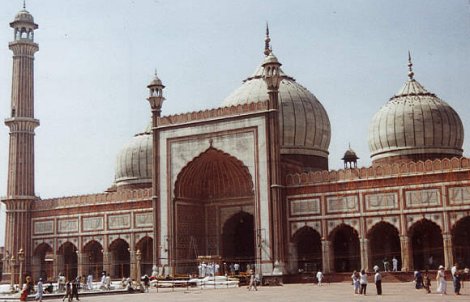
Jama Masjid, Delhi: Standing majestically in the heart of Old Delhi, Jama Masjid is one of India’s most famous historic mosques and an extraordinary example of Mughal architecture. Built during the reign of Emperor Shah Jahan, the monument has remained an important place of worship and a major cultural landmark for centuries.
- A Magnificent Mughal Landmark
- Impressive Architecture
- Climb the Southern Minaret
- Discover the Main Courtyard
- A Place of Worship
- Explore the Streets of Old Delhi
- Taste Old Delhi’s Famous Cuisine
- Jama Masjid and the Red Fort
- Best Time to Visit Jama Masjid
- How to Reach Jama Masjid
- Things to Do Around Jama Masjid
- Photography at Jama Masjid
- Travel Tips
- Why Visit Jama Masjid?
- Final Thoughts
Surrounded by the lively streets of Old Delhi, Jama Masjid offers visitors a fascinating combination of history, architecture, spirituality and local culture.
A Magnificent Mughal Landmark
Jama Masjid was commissioned by Shah Jahan, the Mughal emperor best known for building the Taj Mahal.
Construction began in the 17th century, and the mosque was completed in 1656. It was originally known as Masjid-i Jahan Numa, meaning the “World-Reflecting Mosque.”
Built from red sandstone and white marble, the mosque demonstrates the grandeur and symmetry characteristic of Mughal architecture.
Impressive Architecture
Jama Masjid is distinguished by its enormous courtyard, imposing gateways, elegant domes and tall minarets.
The main prayer hall features a combination of red sandstone and white marble, creating a striking architectural contrast.
Three large gateways provide access to the mosque, while the two tall minarets rise prominently above the surrounding Old Delhi skyline.
The central courtyard is particularly impressive and can accommodate large numbers of worshippers.
Climb the Southern Minaret
One of the most memorable experiences for visitors is climbing the southern minaret, when visitor access is permitted.
The narrow staircase leads to an elevated viewpoint offering panoramic views of Old Delhi, including the surrounding rooftops and busy streets.
From above, visitors can appreciate the scale and density of the historic city.
Access and visitor rules can change, so travellers should check current regulations before planning a climb.
Discover the Main Courtyard
The expansive courtyard is one of Jama Masjid’s defining features.
Its open space creates a striking contrast with the surrounding dense streets of Old Delhi.
The courtyard is especially impressive when viewed from the mosque’s elevated steps, allowing visitors to appreciate the symmetry of the complex.
A Place of Worship
Jama Masjid is not simply a historical monument; it remains an active mosque and an important place of worship.
Visitors should therefore behave respectfully and follow the mosque’s rules.
During prayer times and important Islamic festivals, access for tourists may be restricted.
Travellers should dress modestly and follow instructions from mosque authorities.
Explore the Streets of Old Delhi
One of the biggest attractions of visiting Jama Masjid is its location in the heart of Old Delhi.
The surrounding neighbourhood is filled with narrow lanes, historic buildings, shops and some of Delhi’s most famous food destinations.
Visitors can combine their mosque visit with explorations of:
- Chandni Chowk
- Chawri Bazaar
- Kinari Bazaar
- Lal Mandir
- Red Fort
- Traditional Old Delhi food streets
The area is especially lively during the evening.
Taste Old Delhi’s Famous Cuisine
Jama Masjid is surrounded by some of Delhi’s best-known food areas.
Travellers can explore traditional dishes such as:
- Biryani
- Kebabs
- Nihari
- Butter chicken
- Mughlai curries
- Shahi tukda
- Jalebi
- Traditional breads
Food enthusiasts can spend hours exploring the historic lanes around Jama Masjid and nearby Chandni Chowk.
Jama Masjid and the Red Fort
Jama Masjid and the Red Fort are relatively close to each other and can easily be combined in a single Old Delhi itinerary.
Both monuments were commissioned during Shah Jahan’s reign and reflect the architectural and political grandeur of the Mughal Empire.
A visit to both provides a broader understanding of Shah Jahan’s vision for the imperial city of Shahjahanabad.
Best Time to Visit Jama Masjid
The best time to explore Jama Masjid and Old Delhi is generally during the October to March period when Delhi’s weather is more comfortable.
Early morning can be particularly pleasant for photography and sightseeing.
Late afternoon and evening are excellent for experiencing the surrounding markets and food streets.
Delhi summers can be extremely hot, while the monsoon can bring humidity and occasional heavy rain.
How to Reach Jama Masjid
By Metro
The Jama Masjid Metro Station on the Violet Line provides convenient access to the monument.
The area is also accessible from other central Delhi metro stations with short connections by road or walking.
By Road
Taxis, auto-rickshaws and buses can reach the Old Delhi area, although traffic can be heavy.
Because the surrounding streets can become crowded, public transport is often a convenient option.
Things to Do Around Jama Masjid
A visit to Jama Masjid can be combined with:
- Exploring Old Delhi
- Visiting the Red Fort
- Walking through Chandni Chowk
- Sampling Mughlai cuisine
- Shopping for traditional products
- Photographing historic streets
- Exploring old bazaars
- Visiting nearby heritage landmarks
Photography at Jama Masjid
Jama Masjid offers numerous opportunities for architectural and street photography.
The red sandstone walls, white marble details, domes and minarets create strong visual compositions.
The surrounding Old Delhi streets also provide fascinating scenes of everyday life.
Visitors should always respect worshippers and avoid photographing people in a way that may be intrusive.
Travel Tips
Keep these points in mind when visiting:
- Dress modestly.
- Follow mosque entry rules.
- Remove footwear where required.
- Check visitor timings before arriving.
- Avoid disturbing worshippers.
- Photography restrictions may apply.
- Keep belongings secure in crowded areas.
- Be prepared for crowds around Old Delhi markets.
- Carry water, especially during warmer months.
Why Visit Jama Masjid?
Jama Masjid is much more than an architectural monument.
It represents an important chapter in Delhi’s history and remains a living centre of Islamic worship and culture.
Its magnificent architecture, connection with the Mughal Empire and location amid the vibrant streets of Old Delhi make it one of the capital’s essential heritage experiences.
Final Thoughts
Jama Masjid is a timeless symbol of Old Delhi’s history, architecture and cultural diversity.
From its enormous courtyard and elegant domes to its towering minarets and bustling neighbourhood, the mosque provides visitors with a glimpse into the grandeur of Mughal-era Delhi.
Combine your visit with the Red Fort, Chandni Chowk and the legendary food streets of Old Delhi for a memorable heritage experience.
Step into the historic heart of Delhi and discover the enduring beauty of Jama Masjid.