

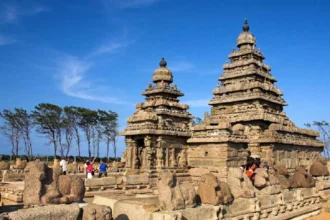


Located in Tamil Nadu, Thiruvannamalai is one of South India’s most important spiritual destinations. Dominated by the sacred Arunachala Hill, the town is deeply associated with Lord Shiva, ancient temple traditions, meditation, and the teachings of spiritual master Ramana Maharshi.
- Why Visit Thiruvannamalai?
- Arunachaleswarar Temple – The Heart of Thiruvannamalai
- Arunachala Hill – The Sacred Mountain
- Girivalam – Walking Around Arunachala
- Ramana Maharshi Ashram
- Virupaksha Cave
- Skandashram
- Karthigai Deepam – The Festival of Lights
- Spiritual Culture of Thiruvannamalai
- Sathanur Dam
- Thiruvannamalai’s Temple Architecture
- Local Food in Thiruvannamalai
- Best Time to Visit Thiruvannamalai
- How to Reach Thiruvannamalai
- Suggested 2-Day Thiruvannamalai Itinerary
- Travel Tips for Thiruvannamalai
- Responsible Tourism
- Places to Visit Near Thiruvannamalai
- Final Thoughts
The town attracts pilgrims, spiritual seekers, photographers, history enthusiasts, and travellers throughout the year. Its magnificent temples, sacred hill, ashrams, ancient architecture, and vibrant festivals make Thiruvannamalai a fascinating destination to explore.
Why Visit Thiruvannamalai?
Thiruvannamalai offers a unique combination of spirituality, history, architecture, and natural beauty.
The town is famous for:
- Arunachaleswarar Temple
- Arunachala Hill
- Girivalam pilgrimage
- Ramana Maharshi Ashram
- Virupaksha Cave
- Skandashram
- Sathanur Dam
- Karthigai Deepam festival
- Ancient Dravidian architecture
- Traditional Tamil culture
For many visitors, Thiruvannamalai is more than a sightseeing destination—it is a place for reflection, prayer, meditation, and spiritual discovery.
Arunachaleswarar Temple – The Heart of Thiruvannamalai
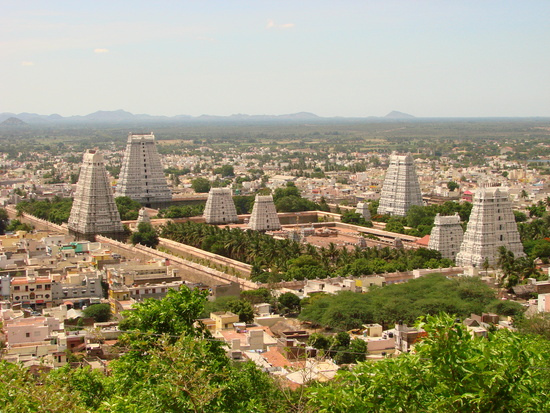
The magnificent Arunachaleswarar Temple, also known as Annamalaiyar Temple, is the most important landmark in Thiruvannamalai.
Dedicated to Lord Shiva, the temple is traditionally associated with Agni, or the element of fire, one of the five elemental forms of Shiva known as the Pancha Bhoota Sthalas.
The enormous temple complex covers a large area and features towering gopurams, spacious courtyards, shrines, sculptures, and intricately decorated pillars.
The eastern Rajagopuram is particularly impressive and dominates the town’s skyline.
Arunachala Hill – The Sacred Mountain
Arunachala Hill is considered sacred by devotees of Lord Shiva and is the defining geographical feature of Thiruvannamalai.
According to Hindu tradition, Arunachala represents Shiva as a column of fire.
The hill attracts pilgrims and spiritual seekers who walk around it as part of the Girivalam tradition.
The landscape around the hill also offers beautiful sunrise and sunset views.
Girivalam – Walking Around Arunachala
One of the most important spiritual practices in Thiruvannamalai is Girivalam, the traditional circumambulation of Arunachala Hill.
The route is approximately 14 kilometres long and passes through temples, shrines, ashrams, and spiritual landmarks.
Girivalam is particularly popular during full moon nights, when large numbers of devotees walk around the hill.
Visitors undertaking the walk should carry water, wear comfortable footwear, and allow sufficient time.
The route can become extremely crowded during major festivals and full-moon occasions.
Ramana Maharshi Ashram
Sri Ramanasramam is one of the most important spiritual centres in Thiruvannamalai.
It is associated with Ramana Maharshi, one of India’s best-known spiritual teachers of the 20th century.
Ramana Maharshi spent much of his life at the foot of Arunachala and taught the practice of self-enquiry.
The ashram contains a meditation hall, shrine areas, library facilities, and other spaces connected with his life and teachings.
Visitors seeking a quiet spiritual experience can spend time in the ashram according to its visitor guidelines.
Virupaksha Cave
Located on the slopes of Arunachala Hill, Virupaksha Cave is associated with Ramana Maharshi, who spent several years meditating there.
The cave is named after the saint Virupaksha Deva, who is traditionally associated with the site.
Reaching the cave involves a climb up the hill, but the journey offers beautiful views of the surrounding landscape.
Skandashram
Skandashram is another important location associated with Ramana Maharshi.
Situated higher on Arunachala Hill, the ashram provides panoramic views of Thiruvannamalai and the surrounding plains.
The walk to Skandashram passes through rocky terrain and forested sections.
It is a rewarding destination for travellers who enjoy a combination of spirituality and nature.
Karthigai Deepam – The Festival of Lights
The Karthigai Deepam festival is one of the most spectacular events in Thiruvannamalai.
The festival celebrates Lord Shiva’s manifestation as a column of fire and is associated with the lighting of a massive ceremonial flame on Arunachala Hill.
The event attracts huge crowds of devotees from across Tamil Nadu and beyond.
The temple celebrations, processions, rituals, and illumination transform Thiruvannamalai into a vibrant spiritual centre.
Travellers planning to visit during the festival should book accommodation and transportation well in advance.
Spiritual Culture of Thiruvannamalai
Thiruvannamalai has attracted spiritual teachers, monks, devotees, and seekers for centuries.
The town is home to numerous:
- Ashrams
- Meditation centres
- Small temples
- Monasteries
- Spiritual communities
- Yoga centres
This gives the town a distinctive atmosphere that differs from conventional tourist destinations.
Visitors can spend several days simply walking around the temple streets, meditating, exploring ashrams, and experiencing local life.
Sathanur Dam
For travellers looking to explore beyond the spiritual attractions, Sathanur Dam is a scenic destination in the wider Thiruvannamalai region.
The dam is surrounded by hills and greenery and includes landscaped areas that make it suitable for a relaxed outing.
The surrounding countryside provides a pleasant contrast to the busy temple town.
Thiruvannamalai’s Temple Architecture
The town is an excellent destination for architecture enthusiasts.
The Arunachaleswarar Temple showcases many features of traditional Dravidian temple architecture, including:
- Monumental gopurams
- Stone pillars
- Sculptures
- Temple tanks
- Large courtyards
- Ornamental gateways
- Carved stonework
Walking through the temple complex reveals centuries of Tamil religious art and architectural traditions.
Local Food in Thiruvannamalai
A visit to Thiruvannamalai is also an opportunity to experience traditional Tamil cuisine.
Visitors can enjoy:
- Idli
- Dosa
- Pongal
- Vada
- Sambar
- Rasam
- South Indian thali
- Lemon rice
- Curd rice
- Filter coffee
- Traditional sweets
Many restaurants around the temple area offer vegetarian meals.
Best Time to Visit Thiruvannamalai
October to February
The cooler months are generally the most comfortable for sightseeing and walking around Arunachala.
March to May
Summer can become hot, particularly during the afternoon.
Visitors planning to undertake Girivalam should consider early morning or evening hours.
June to September
The monsoon can bring occasional rainfall and cooler conditions.
The surrounding landscape becomes greener, although weather conditions can vary.
Karthigai Deepam
The festival period is one of the most spiritually significant times to visit, but crowds can be exceptionally large.
Plan accommodation and transport well in advance.
How to Reach Thiruvannamalai
By Air
The nearest major airports include Chennai International Airport and Puducherry Airport, with Chennai generally offering more extensive connectivity.
From the airport, the journey continues by road.
By Train
Thiruvannamalai has a railway station with connections to parts of Tamil Nadu.
Travellers should check current train schedules before planning their journey.
By Road
Thiruvannamalai is well connected by road to Chennai, Bengaluru, Puducherry, Vellore, and other cities in Tamil Nadu and neighbouring states.
Road travel is a popular way to reach the town.
Suggested 2-Day Thiruvannamalai Itinerary
Day 1 – Temple and Spiritual Sites
Begin your day at Arunachaleswarar Temple.
Explore its gopurams, shrines, courtyards, and surrounding streets.
Later, visit Sri Ramanasramam and spend some quiet time in meditation.
Enjoy an evening view of Arunachala Hill.
Day 2 – Arunachala and Girivalam
Start early with a walk towards Skandashram and Virupaksha Cave, depending on weather and your fitness level.
Later, explore local temples and markets.
If undertaking Girivalam, plan the 14-kilometre walk during cooler hours.
Travel Tips for Thiruvannamalai
- Dress modestly when visiting temples and ashrams.
- Remove footwear where required.
- Carry sufficient drinking water during Girivalam.
- Wear comfortable walking shoes.
- Start outdoor activities early during hot months.
- Expect heavy crowds during full moon nights.
- Book accommodation early during Karthigai Deepam.
- Follow photography rules at temples and ashrams.
- Respect meditation spaces and spiritual practices.
- Keep the hill and temple surroundings clean.
Responsible Tourism
Thiruvannamalai is a living spiritual centre rather than simply a tourist attraction.
Visitors should respect devotees, monks, ashram residents, and local communities.
Avoid loud behaviour near meditation spaces and do not photograph people without permission.
During Girivalam and major festivals, travellers should be patient and respectful of the large number of pilgrims.
Reducing plastic waste and keeping Arunachala’s natural environment clean are also important responsibilities for visitors.
Places to Visit Near Thiruvannamalai
Gingee Fort
Located farther east, Gingee Fort is one of Tamil Nadu’s most impressive historic fort complexes.
Puducherry
The coastal city of Puducherry can be combined with Thiruvannamalai for a spiritual and cultural journey.
Vellore
Vellore is known for its historic fort and temples and can be included in a wider Tamil Nadu itinerary.
Final Thoughts
Thiruvannamalai, Tamil Nadu, is a destination where spirituality, history, architecture, and nature come together around the sacred Arunachala Hill.
The magnificent Arunachaleswarar Temple, the peaceful Sri Ramanasramam, the ancient paths of Girivalam, Virupaksha Cave, Skandashram, and the spectacular Karthigai Deepam festival make the town one of India’s most distinctive spiritual destinations.
Whether you are a pilgrim, a spiritual seeker, a history enthusiast, or simply a traveller looking for a meaningful experience, Thiruvannamalai offers a journey far beyond conventional sightseeing.