

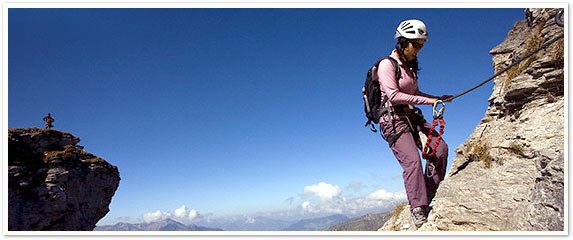
Rock climbing in India is an exciting adventure sport that combines physical strength, concentration, technique, and a passion for the outdoors. From granite cliffs and ancient rock formations to Himalayan crags and dramatic plateaus, India offers a remarkable variety of destinations for climbers of different experience levels.
Whether you are a beginner looking to learn basic climbing techniques or an experienced climber searching for challenging routes, India’s diverse terrain provides plenty of opportunities for adventure.
Why Choose Rock Climbing in India?
India’s varied geography makes it an excellent destination for climbing. The country offers everything from large granite boulders and sandstone cliffs to steep mountain faces.
Climbing also provides a unique way to experience nature. Instead of simply viewing a landscape from a trail, climbers interact directly with the rock, learning to understand its texture, formations, cracks, and natural features.
Hampi, Karnataka
Hampi is one of India’s most popular destinations for bouldering. The area is surrounded by enormous granite boulders that create countless natural climbing formations.
The landscape is particularly spectacular, with ancient temple ruins, palm trees, rocky hills, and the Tungabhadra River forming a dramatic backdrop.
Hampi is especially popular with international and Indian climbers because of its wide variety of bouldering problems.
Badami, Karnataka
Badami is another famous climbing destination in Karnataka. Its striking red sandstone cliffs provide numerous climbing routes and dramatic vertical faces.
The surrounding landscape is also historically significant, with ancient rock-cut cave temples and monuments adding a cultural dimension to the climbing experience.
Malshej Ghat, Maharashtra
The rugged cliffs around Malshej Ghat offer opportunities for rock climbing, trekking, and other outdoor activities. The Western Ghats landscape is particularly beautiful during and after the monsoon, although climbing conditions can vary significantly with weather.
Experienced local guides and suitable equipment are essential when exploring unfamiliar routes.
Manali and the Himalayas
The Himalayan region around Manali provides opportunities for climbers interested in both rock climbing and mountaineering.
Granite cliffs, mountain valleys, and high-altitude landscapes offer a range of challenges. Climbers can also combine their trips with trekking and other Himalayan adventures.
Tawang and Northeast India
The mountainous landscapes of Arunachal Pradesh and other northeastern states offer considerable potential for adventure tourism and climbing. The region’s remote cliffs and dramatic scenery can provide rewarding experiences for experienced outdoor enthusiasts.
Because some areas have access restrictions or require permits, travelers should check current regulations before planning a climbing trip.
Basic Rock-Climbing Equipment
Safety should always be the first priority. Depending on the type of climbing, essential equipment can include:
- Climbing helmet
- Harness
- Climbing shoes
- Dynamic climbing rope
- Carabiners and quickdraws
- Belay device
- Chalk and chalk bag
- Appropriate protection equipment
- First-aid supplies
Beginners should learn under the supervision of qualified instructors rather than attempting technical climbing independently.
Best Time for Rock Climbing
The ideal season depends on the destination. In many parts of India, October to March provides comfortable temperatures for outdoor climbing.
Summer can be suitable for some Himalayan destinations, while certain areas of southern India are best avoided during periods of intense heat or heavy monsoon rainfall.
Always check local weather and rock conditions before climbing.
Safety First
Rock climbing involves genuine risks, particularly on unfamiliar cliffs and remote routes. Climbers should use properly maintained equipment, understand the route, check anchors and protection, and never climb alone.
Beginners should consider joining a certified climbing school or experienced local climbing group. Weather changes, loose rock, falls, dehydration, and inadequate equipment can all create serious hazards.
A Thrilling Way to Explore India
Rock climbing offers a different perspective on India’s spectacular landscapes. From the granite boulders of Hampi to the sandstone cliffs of Badami and the rugged mountains of the Himalayas, the country’s climbing destinations combine adventure with unforgettable scenery.
For those willing to challenge themselves physically and mentally, rock climbing in India is an exhilarating way to discover the country’s natural beauty from a completely new perspective.