

Jim Corbett National Park, Uttarakhand: Nestled in the foothills of the Himalayas, Jim Corbett National Park is one of India’s most celebrated wildlife destinations. Famous for its Bengal tigers, lush forests, rivers and diverse wildlife, the park offers an unforgettable experience for nature lovers, photographers and adventure seekers.
- A Wildlife Paradise in the Himalayan Foothills
- Go on an Exciting Jungle Safari
- Explore Corbett’s Different Safari Zones
- Watch for the Majestic Bengal Tiger
- Discover the Ramganga River and Reservoir
- Birdwatching in Corbett
- Visit Corbett Waterfall
- Explore the Corbett Landscape on Nature Walks
- Best Time to Visit Jim Corbett
- How to Reach Jim Corbett National Park
- Where to Stay
- Local Food to Try
- Responsible Wildlife Tourism
- Things to Do in Jim Corbett
- Why Visit Jim Corbett?
- Final Thoughts
Established in 1936 as Hailey National Park, it was later renamed in honour of legendary conservationist and hunter-turned-naturalist Jim Corbett. It is also closely associated with Project Tiger, launched in India in 1973.
A Wildlife Paradise in the Himalayan Foothills
Spread across a diverse landscape of forests, grasslands, rivers and hills, Corbett provides habitat for an impressive variety of animals and birds.
The park is particularly famous for the Royal Bengal Tiger, but its wildlife extends far beyond tigers. Visitors may encounter:
- Asian elephants
- Spotted deer
- Sambar deer
- Barking deer
- Wild boar
- Indian leopard
- Sloth bears
- Himalayan black bears in suitable areas
- Crocodiles and gharials
- Numerous bird species
Wildlife sightings are never guaranteed, but every safari offers the excitement of exploring an authentic natural habitat.
Go on an Exciting Jungle Safari
A jungle safari is the highlight of most Corbett trips.
Depending on the permitted zone and current forest regulations, visitors can explore the park in an authorised safari vehicle accompanied by trained drivers and guides.
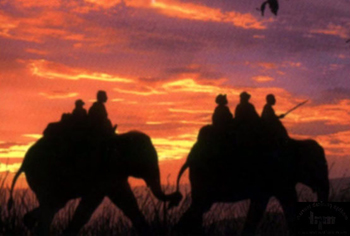
As the vehicle moves through forest tracks, travellers can look for animal footprints, calls, movement in the grass and birds in the trees.
Early morning safaris are particularly popular because wildlife is often more active during the cooler hours.
Explore Corbett’s Different Safari Zones
Corbett’s landscape is divided into several tourism zones, each offering a different experience.
Popular zones include Dhikala, Bijrani, Jhirna, Durgadevi and Dhela, while additional areas may have their own access rules and opening schedules.
Dhikala Zone
Dhikala is one of the most famous areas of Corbett and is known for its expansive grasslands, forest landscapes and views towards the Ramganga reservoir.
It is particularly popular among wildlife enthusiasts looking for an immersive experience.
Bijrani Zone
Bijrani is known for its beautiful forest scenery and open grasslands. The zone is popular for jeep safaris and wildlife photography.
Jhirna Zone
Jhirna is notable because it has traditionally offered tourism opportunities for a longer part of the year, subject to forest department regulations and weather conditions.
The area contains a mix of forests and open landscapes where visitors can search for deer, elephants and other wildlife.
Watch for the Majestic Bengal Tiger
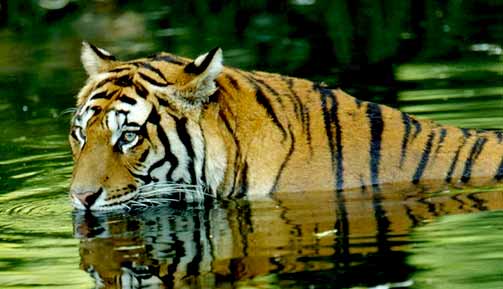
The Bengal tiger remains the star attraction of Corbett.
The park has played an important role in tiger conservation in India, and its varied habitats provide suitable conditions for the species.
Seeing a tiger in the wild is an unforgettable experience, but visitors should remember that Corbett is a natural forest rather than a zoo.
Patience, silence and careful observation are essential.
Discover the Ramganga River and Reservoir
The Ramganga River is an important feature of Corbett’s landscape.
Water sources attract wildlife, especially during drier periods, making rivers, streams and reservoirs interesting areas for observation.
The surrounding landscape also creates spectacular opportunities for photography, particularly during sunrise and sunset.
Birdwatching in Corbett
Corbett is not only a tiger destination. It is also an excellent place for birdwatching.
The park and surrounding forests support a wide range of birds, including kingfishers, hornbills, eagles, woodpeckers, barbets and many other species.
Bird lovers can spend hours observing the forest canopy, grasslands and riverbanks.
Carrying binoculars can make the experience considerably more rewarding.
Visit Corbett Waterfall
Located outside the core national park area, Corbett Waterfall is a popular attraction for visitors staying in the surrounding region.
The waterfall is surrounded by forest and provides a peaceful environment for a short nature excursion.
It can be combined with a broader Corbett holiday, particularly for families who want activities beyond wildlife safaris.
Explore the Corbett Landscape on Nature Walks
Several areas around the national park provide opportunities for nature walks and guided experiences.
Walking through the surrounding forest landscape with an experienced naturalist allows visitors to notice details that can easily be missed from a vehicle, including plants, insects, birds and animal tracks.
Visitors should always use authorised guides and follow local wildlife regulations.
Best Time to Visit Jim Corbett
The best time to visit depends on the type of experience you are looking for.
November to February offers pleasant daytime weather and cool mornings, making it popular for wildlife tourism.
March to June can be hot, but wildlife may be easier to spot around water sources. This period is also popular among serious wildlife photographers.
During the monsoon, some areas and tourism zones may close or have restricted access because of heavy rainfall and forest conditions.
Tourism zone opening dates and safari rules can change, so visitors should check official information before planning their trip.
How to Reach Jim Corbett National Park
By Air
The nearest airport with useful connectivity is Pantnagar Airport, while travellers can also fly to Delhi and continue by road or train.
By Train
Ramnagar is the main railway gateway for Corbett and has connections with several cities.
By Road
Corbett can be reached by road from Delhi, Dehradun, Nainital, Haldwani and other cities in Uttarakhand and northern India.
The journey from Delhi is particularly popular for weekend wildlife trips.
Where to Stay
The Corbett region offers accommodation ranging from budget hotels and guesthouses to resorts and forest lodges.
Staying near the park can make early-morning safari departures more convenient.
For a more immersive experience, visitors can look into accommodation options within permitted forest areas, subject to availability and applicable regulations.
Local Food to Try
The surrounding region offers traditional North Indian and Kumaoni influences.
Travellers can enjoy:
- Kumaoni dishes
- Dal and rice
- Roti and seasonal vegetables
- Aloo ke gutke
- Local sweets
- North Indian vegetarian meals
- Freshly prepared snacks
Many hotels and resorts also offer a variety of Indian and international cuisine.
Responsible Wildlife Tourism
Corbett is a protected ecosystem, and responsible tourism is essential.
Visitors should:
- Never feed wild animals
- Maintain silence during safaris
- Never attempt to approach wildlife
- Follow speed restrictions and guide instructions
- Avoid littering
- Never leave designated safari routes
- Avoid playing loud music
- Respect forest regulations
- Do not use flash photography when prohibited
A responsible approach helps protect wildlife while ensuring future travellers can enjoy the same wilderness.
Things to Do in Jim Corbett
A Corbett itinerary can include:
- Go on a jeep safari
- Experience a permitted canter safari
- Explore different tourism zones
- Search for Bengal tigers
- Watch elephants and deer
- Enjoy birdwatching
- Visit Corbett Waterfall
- Explore the surrounding forests
- Visit the Corbett Museum
- Enjoy nature photography
- Experience local Kumaoni culture
Why Visit Jim Corbett?
Jim Corbett offers one of India’s most accessible opportunities to experience wildlife in a natural Himalayan foothill environment.
Its combination of tigers, elephants, forests, rivers, grasslands and mountains creates an unforgettable landscape.
For families, photographers, wildlife enthusiasts and adventure travellers, Corbett can provide a perfect escape from urban life.
Final Thoughts
Jim Corbett National Park is where the thrill of the wild meets the beauty of the Himalayan foothills.
From the possibility of seeing a Bengal tiger emerging from the forest to the peaceful experience of watching birds along the Ramganga, every safari brings a sense of discovery.
Whether you’re visiting for your first wildlife adventure or returning as an experienced nature enthusiast, Corbett offers countless reasons to explore its forests.
Step into the wilderness, respect the forest and experience the unforgettable magic of Jim Corbett National Park.