


Nestled on a serene island in the Arabian Sea, the Elephanta Caves are one of Maharashtra’s most iconic historical attractions. Located just a short ferry ride from Mumbai, these ancient rock-cut caves are renowned for their magnificent sculptures, intricate carvings, and rich cultural heritage. Recognized as a UNESCO World Heritage Site, the Elephanta Caves offer visitors a fascinating glimpse into India’s artistic and spiritual legacy.
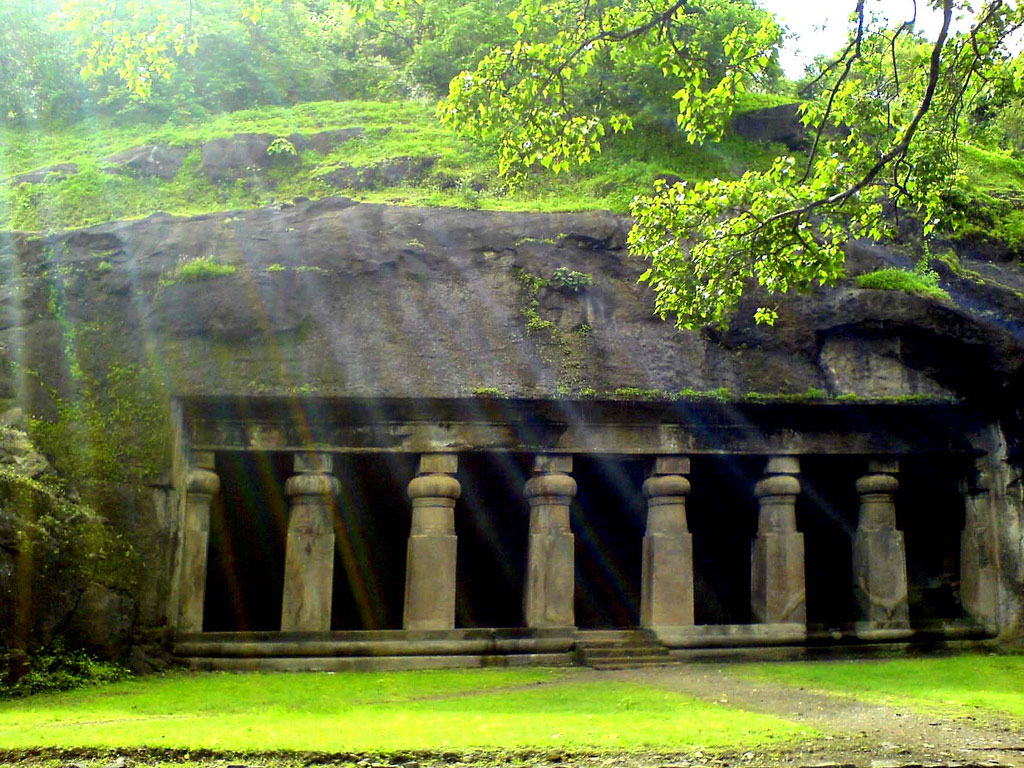
Whether you’re a history enthusiast, a photography lover, or simply looking for a memorable day trip from Mumbai, the Elephanta Caves promise an unforgettable experience.
About Elephanta Caves
The Elephanta Caves are a collection of rock-cut temples dedicated primarily to Lord Shiva. Believed to have been constructed between the 5th and 8th centuries CE, the caves showcase extraordinary craftsmanship and represent one of the finest examples of ancient Indian rock-cut architecture.
Originally known as Gharapuri (meaning “City of Caves”), the island was later named Elephanta by Portuguese explorers after discovering a large stone elephant statue near the island’s entrance.
Why Visit Elephanta Caves?
The caves are famous for their:
- UNESCO World Heritage status
- Ancient rock-cut architecture
- Massive sculptures of Lord Shiva
- Historic temples and cave complexes
- Scenic ferry journey from Mumbai
- Beautiful island surroundings
- Rich cultural and religious significance
The island provides a peaceful escape from Mumbai’s bustling city life while offering a remarkable historical experience.
Main Attractions
1. The Great Cave (Cave 1)
The largest and most impressive cave features enormous stone pillars and spectacular sculptures depicting various forms of Lord Shiva.
2. Trimurti Sculpture
The highlight of the complex is the magnificent Trimurti, a 20-foot-tall sculpture representing Shiva as the Creator, Preserver, and Destroyer. This masterpiece is considered one of India’s greatest examples of rock-cut art.
3. Nataraja
The beautifully carved depiction of Shiva as the Cosmic Dancer symbolizes the eternal cycle of creation and destruction.
4. Ardhanarishvara
Another remarkable sculpture portrays Lord Shiva and Goddess Parvati in a single form, representing the union of masculine and feminine energies.
5. Yogishvara Shiva
This sculpture depicts Lord Shiva in deep meditation, reflecting peace, spirituality, and wisdom.
Best Time to Visit
The ideal time to visit the Elephanta Caves is between October and March, when the weather is pleasant for sightseeing.
Weather Guide
- Winter (October–March): Best season with comfortable temperatures.
- Monsoon (June–September): Lush greenery but ferry services may occasionally be affected by rough seas.
- Summer (April–May): Hot and humid, making daytime exploration more challenging.
How to Reach Elephanta Caves
By Ferry
The only way to reach Elephanta Island is by ferry from the Gateway of India in Mumbai.
- Ferry duration: Approximately 1 hour
- Regular ferry services operate throughout the day (weather permitting)
By Air
The nearest airport is Chhatrapati Shivaji Maharaj International Airport, Mumbai.
By Train
Mumbai is well connected by rail to major cities across India. From the railway station, visitors can reach the Gateway of India by taxi or local transport.
Entry Fee
Visitors are required to purchase an entry ticket to the archaeological site. Ferry tickets are separate and can be purchased at the Gateway of India.
Things to Do
- Explore ancient cave temples.
- Admire centuries-old sculptures.
- Enjoy photography of historic architecture.
- Take a scenic ferry ride across the Arabian Sea.
- Shop for handicrafts and souvenirs.
- Taste local snacks available near the entrance.
Travel Tips
- Start early to avoid crowds.
- Wear comfortable walking shoes.
- Carry drinking water and sunscreen.
- Be prepared to climb a series of steps from the ferry jetty to the caves.
- Avoid feeding monkeys, as they are common on the island.
- Carry a camera to capture the stunning sculptures and sea views.
Nearby Attractions
After visiting Elephanta Caves, you can also explore:
- Gateway of India
- Marine Drive
- Chhatrapati Shivaji Maharaj Vastu Sangrahalaya
- Colaba Causeway
- Nariman Point
- Girgaon Chowpatty
These attractions can easily be combined into a full day of sightseeing in Mumbai.
Why Elephanta Caves Should Be on Your Travel Bucket List
The Elephanta Caves beautifully combine history, spirituality, architecture, and natural beauty. Every sculpture carved into the basalt rock tells a story of India’s rich cultural heritage, making the site one of the country’s most treasured archaeological landmarks.
Whether you’re visiting Mumbai for the first time or returning to explore its hidden gems, the Elephanta Caves offer a unique journey through centuries of Indian art and devotion.
Conclusion
The Elephanta Caves stand as a remarkable testament to India’s ancient artistic brilliance and spiritual traditions. From the awe-inspiring Trimurti sculpture to the tranquil island setting, every corner of this UNESCO World Heritage Site reflects the country’s glorious past. A visit to the Elephanta Caves is not just a sightseeing trip—it’s an enriching cultural experience that leaves every traveler inspired.