


Delhi, the capital of India, is a remarkable city where ancient history, Mughal architecture, colonial heritage, modern skyscrapers, bustling markets, and diverse cultures exist side by side. With monuments spanning centuries and a vibrant contemporary lifestyle, Delhi offers travelers an extraordinary journey through India’s past and present.
From magnificent forts and tombs to lively bazaars and modern attractions, the city has something for every visitor.
A City with Centuries of History
Delhi has been an important centre of power for centuries. Different dynasties established their capitals in and around the region, leaving behind forts, mosques, tombs, temples, and other monuments.
The city has traditionally been associated with several historic settlements, making modern Delhi a fascinating collection of archaeological and architectural layers.
Red Fort
The magnificent Red Fort is one of Delhi’s most famous landmarks. Built by Mughal Emperor Shah Jahan in the 17th century, the fort served as the main residence of Mughal emperors for generations.
Its massive red sandstone walls enclose palaces, gardens, audience halls, and other historic structures. The monument is also closely associated with India’s Independence Day celebrations.
India Gate
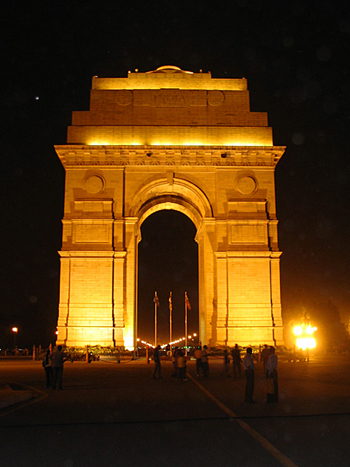
India Gate is one of New Delhi’s most recognizable landmarks. The monumental arch was built as a war memorial and commemorates Indian soldiers who died during the First World War and other conflicts.
The surrounding lawns are popular with visitors, particularly during the cooler months and in the evening.
Qutub Minar
The Qutub Minar is a spectacular medieval tower and one of Delhi’s most important heritage landmarks. Rising dramatically above the surrounding complex, the tower is decorated with intricate carvings and inscriptions.
The surrounding Qutub complex contains several historic structures, including the Quwwat-ul-Islam Mosque and the Iron Pillar.
Humayun’s Tomb
Humayun’s Tomb is one of Delhi’s finest examples of Mughal architecture. Built in the 16th century, the monument is surrounded by beautifully designed gardens.
Its grand dome, symmetrical design, arched façades, and garden layout influenced later Mughal architecture and are often regarded as important precedents for the architectural traditions that culminated in the Taj Mahal.
Jama Masjid
The magnificent Jama Masjid in Old Delhi was commissioned by Shah Jahan and is one of India’s largest historic mosques.
Its vast courtyard, imposing gateways, domes, and minarets make it an impressive example of Mughal architecture.
Lotus Temple
The Lotus Temple is one of modern Delhi’s most distinctive landmarks. Designed in the shape of a lotus flower, the Bahá’í House of Worship welcomes people of all faiths.
Its peaceful surroundings and unique architecture make it a popular destination for visitors interested in contemporary design and spiritual spaces.
Chandni Chowk and Old Delhi
A visit to Delhi would be incomplete without exploring Old Delhi. The historic streets around Chandni Chowk are filled with shops, traditional markets, street food, religious landmarks, and centuries-old neighborhoods.
Visitors can sample popular Delhi foods such as parathas, chaat, kebabs, jalebi, and other traditional delicacies.
Museums and Cultural Attractions
Delhi is home to numerous museums and cultural institutions. The National Museum, National Gallery of Modern Art, and other cultural centres provide opportunities to explore India’s art, archaeology, history, and heritage.
The city also hosts numerous theatres, galleries, cultural performances, and exhibitions throughout the year.
Shopping in Delhi
Delhi is one of India’s best shopping destinations. Visitors can explore traditional bazaars as well as modern shopping districts.
Popular shopping areas include Connaught Place, Dilli Haat, Khan Market, Sarojini Nagar, Lajpat Nagar, and Chandni Chowk. Handicrafts, textiles, jewelry, clothing, books, souvenirs, and regional foods are widely available.
Best Time to Visit Delhi
The best time to visit Delhi is generally from October to March, when the weather is more comfortable for sightseeing.
Winter mornings can sometimes be affected by fog, while summer temperatures can become extremely hot. Travelers should plan outdoor sightseeing accordingly.
How to Explore Delhi
Delhi has an extensive Metro network, making it one of the easiest major Indian cities to explore using public transportation.
For historic areas, walking tours, cycle-rickshaws, taxis, and app-based transport can also be useful. Combining nearby attractions in the same area can save considerable travel time.
A City Where History Meets Modern India
Delhi is more than India’s political capital. It is a living museum filled with forts, monuments, markets, temples, mosques, gardens, museums, and neighborhoods that reveal different chapters of the country’s history.
For travelers interested in architecture, history, food, culture, and modern Indian life, Delhi offers an endlessly fascinating journey through the many faces of India.