

Bihar, located in eastern India, is a land of extraordinary historical and spiritual significance. Known as one of the great centres of ancient Indian civilization, the state is closely associated with Buddhism, Jainism, Hinduism, and the ancient kingdoms of Magadha.
From the sacred Bodhi tree at Bodh Gaya to the ruins of Nalanda and the ancient city of Rajgir, Bihar offers travelers a fascinating journey through thousands of years of Indian history.
Bodh Gaya: The Land of Enlightenment
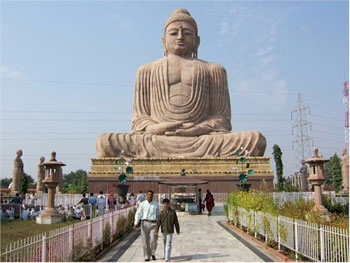
Bodh Gaya is Bihar’s most famous pilgrimage destination and one of the most sacred Buddhist sites in the world.
It is traditionally believed to be the place where Siddhartha Gautama attained enlightenment and became the Buddha while meditating beneath the Bodhi tree.
The magnificent Mahabodhi Temple stands at the heart of the pilgrimage complex. The site attracts Buddhist pilgrims, monks, scholars, and travelers from across the world.
Nalanda: An Ancient Centre of Learning
The ruins of Nalanda Mahavihara represent one of the world’s great ancient centres of learning. The historic university attracted students and scholars from different parts of Asia.
The archaeological site contains the remains of monasteries, temples, courtyards, and educational buildings.
The Archaeological Site of Nalanda Mahavihara was designated a UNESCO World Heritage Site in 2016, recognizing its exceptional historical and educational significance.
Rajgir: A Land of Ancient Traditions
Rajgir is another important destination in Bihar’s historic landscape. The ancient city was associated with the kingdom of Magadha and has connections with both Buddha and Mahavira.
The surrounding hills, ancient ruins, hot springs, monasteries, and religious sites make Rajgir an important destination for pilgrims and history enthusiasts.
The Vishwa Shanti Stupa, located on Ratnagiri Hill, provides panoramic views of the surrounding countryside.
Vaishali: A Historic Buddhist and Jain Site
Vaishali holds an important place in both Buddhist and Jain traditions. It is associated with the life of Buddha and is also traditionally regarded as the birthplace of Lord Mahavira.
The Ashokan Pillar and archaeological remains provide visitors with a glimpse into the area’s ancient history.
Patna: The Capital City
Patna, the capital of Bihar, has a history stretching back to ancient times. The city was historically known as Pataliputra and became an important political centre during the Mauryan and Gupta periods.
Modern Patna offers several attractions, including museums, religious sites, historic buildings, and the Bihar Museum.
The Golghar, built in the late 18th century, is another well-known landmark.
Bihar’s Buddhist Heritage
Bihar occupies a special place in the history of Buddhism. Several important Buddhist sites are located within the state, attracting pilgrims from countries including Sri Lanka, Thailand, Myanmar, Japan, Bhutan, and Nepal.
Monasteries, meditation centres, temples, and international Buddhist institutions contribute to the region’s spiritual atmosphere.
Madhubani and Traditional Art
Bihar is also famous for its traditional arts and handicrafts. Madhubani painting, also known as Mithila painting, is one of the state’s most celebrated art traditions.
Traditionally produced in the Mithila region, these colorful paintings often feature religious themes, nature, animals, geometric patterns, and scenes from everyday life.
Festivals of Bihar
Bihar celebrates numerous festivals throughout the year. Chhath Puja is one of the state’s most important festivals and is dedicated to the worship of the Sun.
During Chhath, devotees gather near rivers, ponds, and other water bodies to offer prayers and traditional offerings. The festival is celebrated with remarkable devotion and community participation.
Traditional Cuisine
Bihar’s cuisine reflects the state’s agricultural traditions and cultural diversity. Popular dishes include litti chokha, sattu-based preparations, dal pitha, khaja, thekua, and various seasonal sweets.
Visitors should explore local eateries and traditional markets to experience the authentic flavors of Bihar.
Best Time to Visit Bihar
The best time to explore Bihar is generally from October to March, when the weather is more comfortable for sightseeing.
Winter is particularly suitable for visiting archaeological sites, Buddhist pilgrimage destinations, and outdoor attractions.
How to Reach Bihar
Bihar is well connected by air, rail, and road. Patna is the state’s principal transportation hub, with rail and air connections to major Indian cities.
Bodh Gaya also has an airport with seasonal and international connectivity, making it convenient for Buddhist pilgrims arriving from abroad.
A Journey Through Ancient India
Bihar offers far more than a conventional tourist experience. Its ancient universities, Buddhist pilgrimage sites, archaeological ruins, sacred landscapes, traditional art, and vibrant festivals reveal the extraordinary depth of India’s cultural history.
From the enlightenment site at Bodh Gaya to the ancient learning centre of Nalanda and the historic landscapes of Rajgir and Vaishali, Bihar is a remarkable destination for anyone interested in spirituality, history, archaeology, and India’s ancient civilization.