


Hampi, Karnataka: Set amid dramatic boulder-strewn hills, ancient temples and the Tungabhadra River, Hampi is one of India’s most extraordinary heritage destinations. Once the magnificent capital of the Vijayanagara Empire, this UNESCO World Heritage Site today preserves an enormous landscape of temples, palaces, markets and monuments.
- A Glimpse into the Vijayanagara Empire
- Explore the Magnificent Virupaksha Temple
- Marvel at the Stone Chariot
- Experience the Musical Pillars of Vittala Temple
- Visit the Royal Enclosure
- Discover the Lotus Mahal
- Explore the Elephant Stables
- Climb Matanga Hill
- Discover Hampi’s Ancient Bazaar
- Tungabhadra River
- Hampi’s Unique Landscape
- Best Time to Visit Hampi
- How to Reach Hampi
- Things to Do in Hampi
- Hampi for Photography Lovers
- Local Food to Try
- Responsible Tourism in Hampi
- Why Visit Hampi?
- Final Thoughts
With its fascinating history, spectacular architecture and surreal natural scenery, Hampi is a dream destination for history lovers, photographers, architecture enthusiasts and travellers seeking an unforgettable cultural experience.
A Glimpse into the Vijayanagara Empire
Hampi was once the capital of the powerful Vijayanagara Empire, which flourished in southern India between the 14th and 16th centuries.
At its height, the city was a major centre of trade, culture, religion and political power. Historical accounts describe a prosperous city filled with magnificent temples, markets, royal buildings and bustling streets.
Although much of the city was destroyed after the fall of the Vijayanagara Empire, its surviving monuments provide an extraordinary glimpse into its former grandeur.
Explore the Magnificent Virupaksha Temple
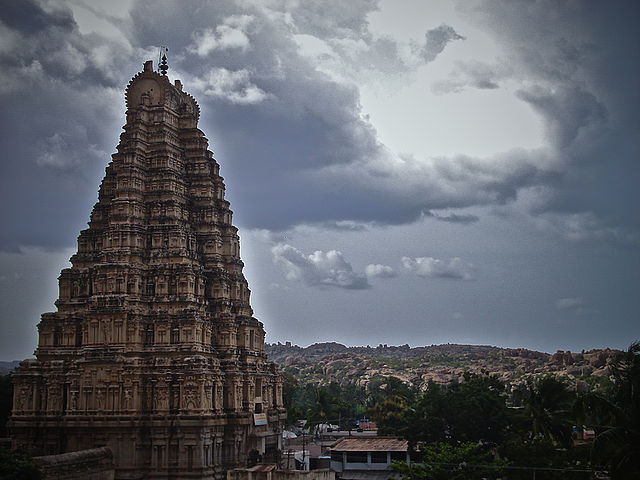
The Virupaksha Temple is one of Hampi’s most important religious landmarks.
Dedicated to Lord Shiva in his form as Virupaksha, the temple has a history that predates the Vijayanagara Empire, although it was significantly expanded during the empire’s reign.
Its towering gopuram dominates the Hampi Bazaar area and remains one of the most recognisable sights in the region.
The temple continues to function as an active place of worship, making it a living connection between modern Hampi and its ancient past.
Marvel at the Stone Chariot
The Stone Chariot at Vittala Temple is perhaps the most famous monument in Hampi.
The beautifully carved structure resembles a traditional temple chariot and has become an iconic symbol of Karnataka’s architectural heritage.
The surrounding Vittala Temple complex is equally impressive, with elaborate pillars, halls and sculptures demonstrating the extraordinary craftsmanship of Vijayanagara-era artisans.
Experience the Musical Pillars of Vittala Temple
The Vittala Temple is also renowned for its famous musical pillars.
These intricately carved stone columns are associated with the temple’s remarkable acoustic traditions. The architectural design demonstrates the advanced artistic and engineering knowledge of the Vijayanagara period.
Visitors can admire the craftsmanship while learning about the temple’s historical and cultural significance.
Visit the Royal Enclosure
The Royal Enclosure offers a glimpse into Hampi’s former political and administrative centre.
The area contains the remains of royal structures, platforms, ceremonial spaces and other monuments associated with the Vijayanagara rulers.
One of the best-known structures is the Mahanavami Dibba, a massive stone platform believed to have been used for royal ceremonies and public celebrations.
From its elevated position, visitors can enjoy broad views across the surrounding ruins.
Discover the Lotus Mahal
The Lotus Mahal is one of Hampi’s most elegant surviving structures.
Located within the Zenana Enclosure, the building is known for its distinctive architecture, graceful arches and lotus-like design.
Unlike the massive stone temples nearby, the Lotus Mahal has a lighter and more ornamental appearance, making it particularly popular with photographers.
Explore the Elephant Stables
The Elephant Stables are another impressive monument within the Hampi complex.
The long structure contains a series of large chambers believed to have housed royal elephants.
Its distinctive domes and architectural details reflect the grandeur of the Vijayanagara court.
Climb Matanga Hill
For one of the best panoramic views of Hampi, travellers can climb Matanga Hill.
The summit offers spectacular views across the ruins, temples, rocky hills and surrounding countryside.
Sunrise and sunset are particularly beautiful from the hill, making it one of the favourite locations for photographers and trekkers.
Visitors should carry water and wear appropriate footwear because the climb involves uneven rocky terrain.
Discover Hampi’s Ancient Bazaar
The historic Hampi Bazaar stretches in front of Virupaksha Temple.
Centuries ago, the area functioned as a major commercial centre of the Vijayanagara capital. Today, visitors can walk along the historic street and imagine the bustling markets that once operated here.
The area is an excellent starting point for exploring the surrounding temples and monuments.
Tungabhadra River
The Tungabhadra River is an integral part of Hampi’s landscape.
The river flows past temples, rocky hills and historic settlements, creating a peaceful contrast to the monumental ruins.
Visitors can spend time along the riverbank, explore nearby temples or simply enjoy the landscape.
The river also played an important role in supporting the ancient city’s agriculture and population.
Hampi’s Unique Landscape
One of the most remarkable aspects of Hampi is that its natural landscape is almost as impressive as its monuments.
Huge granite boulders are scattered across the hills and valleys surrounding the ruins. Ancient temples often appear to emerge naturally from these rocky surroundings.
The combination of stone architecture, giant boulders, palm trees and open landscapes gives Hampi a distinctive appearance unlike almost anywhere else in India.
Best Time to Visit Hampi
The best time to visit Hampi is generally October to February, when temperatures are more comfortable for exploring the extensive archaeological landscape.
The winter months are particularly suitable for walking, cycling and sightseeing.
The summer months can become extremely hot, so travellers should avoid extended outdoor exploration during the afternoon.
The monsoon brings greenery and cooler conditions but can occasionally make rocky paths slippery.
How to Reach Hampi
By Air
The nearest major airport is Jindal Vijaynagar Airport near Vidyanagar, while larger airports such as Hubballi can also be considered depending on flight availability.
By Train
Hosapete (Hospet) is the main railway gateway for Hampi. From Hosapete, Hampi is accessible by road through buses, taxis and auto-rickshaws.
By Road
Hampi is connected by road with Bengaluru, Hyderabad, Goa, Hubballi and other cities in Karnataka.
Many travellers combine Hampi with a road trip through northern Karnataka.
Things to Do in Hampi
A trip to Hampi can include:
- Visit Virupaksha Temple
- Explore Vittala Temple
- See the famous Stone Chariot
- Admire the musical pillars
- Explore the Royal Enclosure
- Visit Lotus Mahal
- See the Elephant Stables
- Climb Matanga Hill
- Walk through Hampi Bazaar
- Spend time beside the Tungabhadra River
- Explore the ruins by bicycle
- Photograph the spectacular landscape
- Discover lesser-known temples and monuments
Hampi for Photography Lovers
Hampi is one of India’s best destinations for photography.
The combination of ancient architecture and dramatic natural scenery creates endless opportunities for landscape, architectural and travel photography.
Early morning light falling on the stone monuments can produce spectacular images, while sunset transforms the surrounding boulders and temples with warm colours.
Matanga Hill and the areas around the Tungabhadra River are particularly popular for panoramic photography.
Local Food to Try
Visitors can enjoy traditional Karnataka cuisine as well as South Indian favourites in and around Hampi.
Popular options include:
- Idli and dosa
- Vada
- Bisi bele bath
- North Karnataka-style meals
- Jowar roti
- Seasonal vegetable dishes
- Traditional sweets
Nearby Hosapete also offers a wider variety of restaurants and accommodation options.
Responsible Tourism in Hampi
Hampi is an important archaeological and cultural heritage site, so travellers should help preserve its monuments.
Visitors should:
- Avoid climbing on protected monuments
- Never damage or scratch ancient structures
- Dispose of waste responsibly
- Follow instructions at archaeological sites
- Respect active temples and religious customs
- Avoid disturbing local communities
- Use designated paths where available
Responsible tourism ensures that future generations can experience Hampi’s remarkable heritage.
Why Visit Hampi?
Hampi is more than a collection of ancient ruins. It is an enormous historical landscape where architecture, mythology, nature and history come together.
Walking through its ancient streets and temples gives visitors a sense of the scale and sophistication of the Vijayanagara civilisation.
For anyone interested in India’s history and architecture, Hampi is an essential destination.
Final Thoughts
Hampi is a journey through the glorious remains of one of South India’s greatest empires.
Its magnificent temples, royal monuments, ancient marketplaces, giant boulders and peaceful river landscapes create an experience that is both educational and deeply inspiring.
Whether you are a history enthusiast, photographer, spiritual traveller, architecture lover or adventure seeker, Hampi has something extraordinary to offer.
Visit Hampi and walk through the ruins of the Vijayanagara Empire — where every stone has a story to tell.