
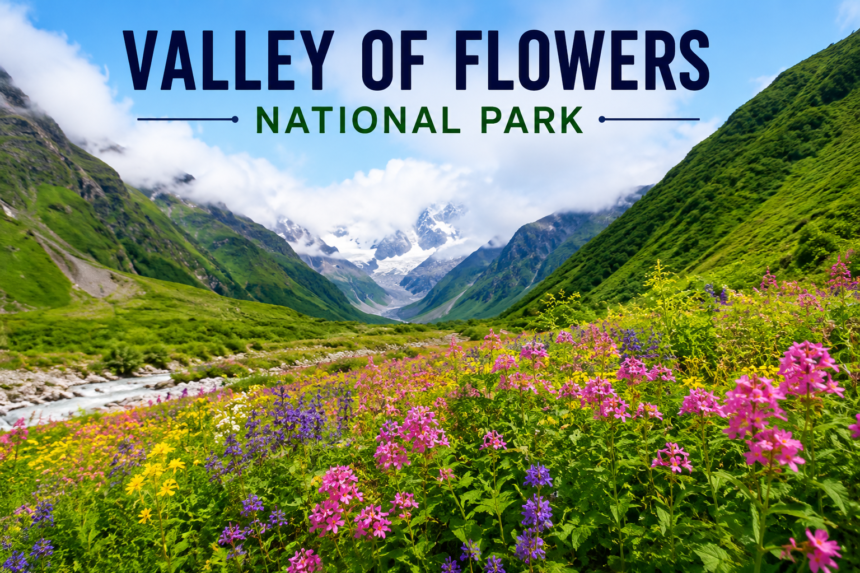
Nestled in the heart of the Garhwal Himalayas in Uttarakhand, Valley of Flowers National Park is one of India’s most enchanting natural wonders. Famous for its vibrant alpine meadows, rare Himalayan flora, and breathtaking mountain scenery, the valley transforms into a colorful paradise during the monsoon season. Recognized as a UNESCO World Heritage Site, this pristine destination attracts nature lovers, photographers, trekkers, and wildlife enthusiasts from around the world.
About Valley of Flowers National Park
Located in the Chamoli district of Uttarakhand at an altitude of around 3,658 meters (12,000 feet), the Valley of Flowers spans nearly 87 square kilometers. The park lies within the Nanda Devi Biosphere Reserve and is home to over 600 species of flowering plants, making it one of the richest floral regions in the Himalayas.
The valley remained largely unknown to the outside world until 1931 when British mountaineer Frank S. Smythe discovered it during an expedition. Since then, it has become one of India’s most treasured ecological destinations.
Why Visit the Valley of Flowers?
A Carpet of Vibrant Flowers
From July to September, the valley bursts into bloom with thousands of colorful flowers including:
- Blue Poppy
- Brahma Kamal
- Cobra Lily
- Himalayan Bellflower
- Primulas
- Daisies
- Orchids
- Marigolds
- Geraniums
Every week during the blooming season presents a different palette of colors, making each visit unique.
Spectacular Himalayan Landscapes
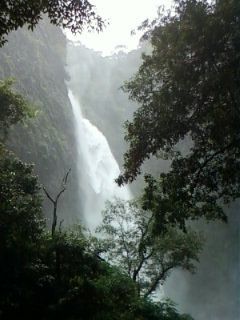
Towering snow-clad peaks, crystal-clear streams, cascading waterfalls, and lush green meadows create a mesmerizing backdrop. The valley offers postcard-perfect views that captivate every visitor.
Rich Wildlife
The national park is home to several rare Himalayan species, including:
- Himalayan Black Bear
- Snow Leopard (rarely spotted)
- Musk Deer
- Himalayan Monal
- Red Fox
- Blue Sheep
- Various butterflies and bird species
Nature enthusiasts may also encounter numerous medicinal plants and unique alpine vegetation.
Trekking Experience
The Valley of Flowers trek is considered one of the most beautiful moderate treks in India.
Trek Route:
Govindghat → Pulna → Ghangaria → Valley of Flowers
The final trek from Ghangaria to the valley covers approximately 4 km one way, offering breathtaking mountain views throughout the journey.
Best Time to Visit
The park remains open only for a few months every year.
- July: Fresh greenery with early blooms
- August: Peak flowering season with maximum colors
- September: Fewer crowds and beautiful landscapes before the valley closes
The park usually opens in June and closes by October, depending on weather conditions.
How to Reach
By Air
The nearest airport is Jolly Grant Airport, Dehradun, about 290 km from Govindghat.
By Train
Nearest railway stations:
- Rishikesh
- Haridwar
By Road
Regular buses and taxis connect Haridwar, Rishikesh, and Dehradun to Govindghat.
From Govindghat, visitors travel to Pulna by shared vehicle before beginning the trek to Ghangaria.
Entry Fee
Visitors must purchase an entry permit before entering the national park. Fees may vary for Indian and foreign tourists, and valid identification is required.
Travel Tips
- Carry warm clothing even during summer.
- Wear sturdy trekking shoes with good grip.
- Bring rain protection, as monsoon showers are frequent.
- Stay hydrated throughout the trek.
- Avoid littering and help preserve the fragile ecosystem.
- Photography is allowed, but picking flowers or disturbing wildlife is strictly prohibited.
Nearby Attractions
While visiting the Valley of Flowers, you can also explore:
- Hemkund Sahib
- Badrinath Temple
- Joshimath
- Auli
- Nanda Devi National Park
These destinations make for a memorable Himalayan itinerary.
Conclusion
The Valley of Flowers National Park is a destination where nature paints its finest masterpiece. Its endless stretches of colorful blooms, majestic Himalayan peaks, pristine rivers, and peaceful surroundings offer an unforgettable experience for every traveler. Whether you’re a trekking enthusiast, wildlife lover, or someone seeking serenity in the mountains, this Himalayan gem deserves a place on your travel bucket list.